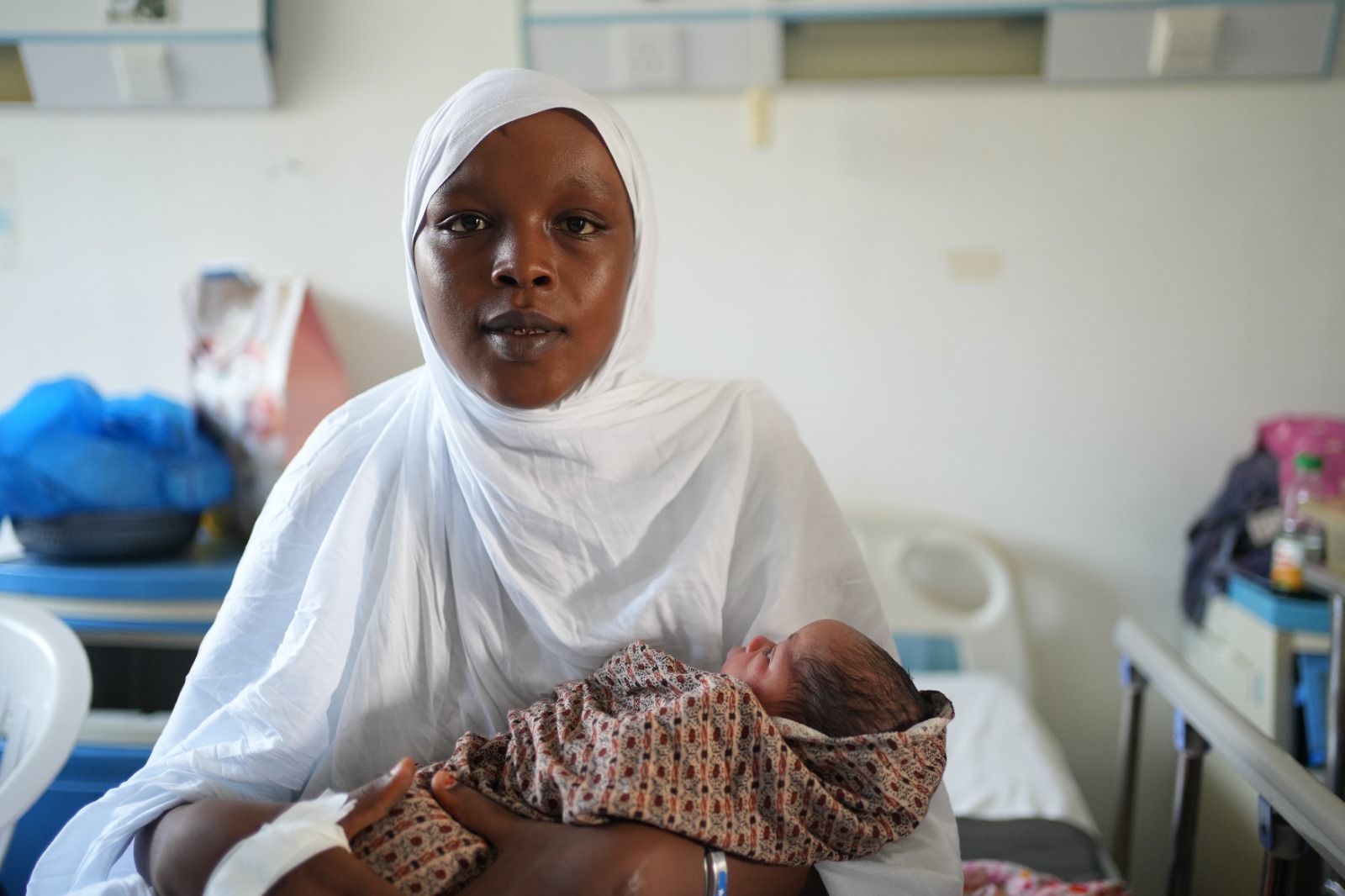

In the dusty stretches of the Abaq Banbow IDP camp in Somalia, Hawa Gure, a 33-year-old mother of five, used to live with a quiet, lingering fear. Two years ago, drought took her family’s livestock and their livelihood, forcing them into the camp near Afmadow. But for Hawa, the most harrowing memories weren’t of the drought—they were of giving birth at home.
“I did not feel safe during my last home delivery,” Hawa said. “I kept worrying about what would happen if something went wrong.” Without equipment or skilled help, every labor felt like a gamble with her life.
Breaking the Cycle of Fear
Hawa’s story is not unique. In Somalia, nearly 46% of women give birth at home without professional medical help. With one of the highest maternal mortality rates in the world, 692 deaths per 100,000 live births—the simple act of bringing life into the world is often a life-threatening crisis.
However, change is arriving in Afmadow. Through CaafimaadPlus and the Juba Foundation, funded by a £3.7 million donation from the British Embassy Mogadishu, health services are finally reaching the doorsteps of those who need them most.
Visits to the Delivery Room
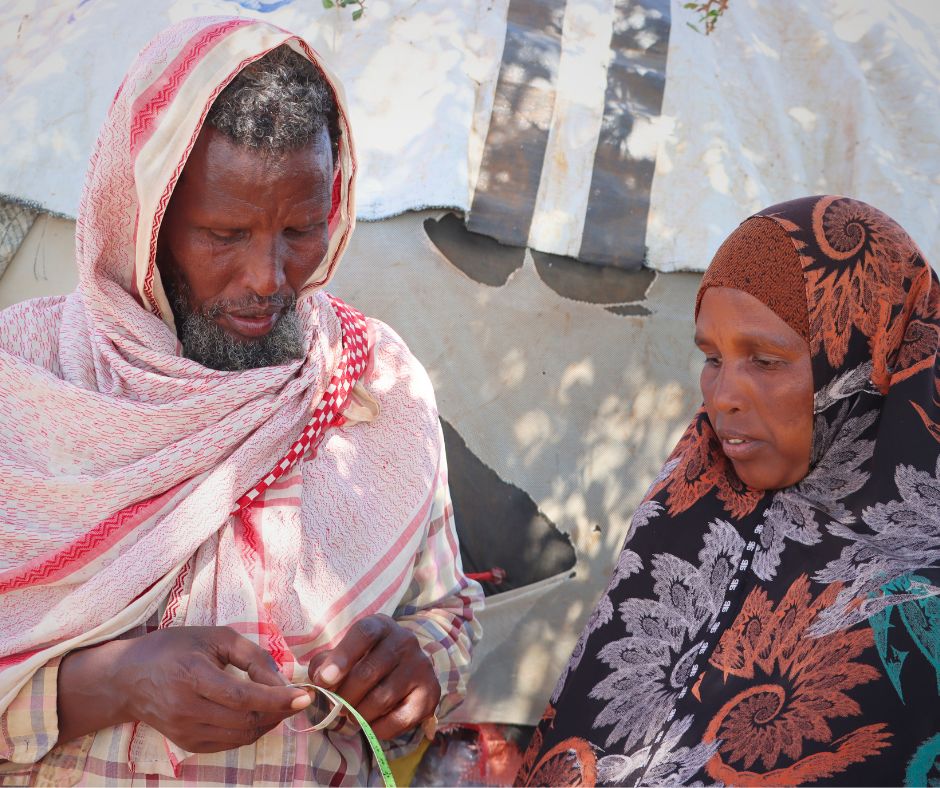
Instead of navigating the journey alone, she was visited by trained Community Health Workers. They sat with her, explaining the risks of pregnancy and the “danger signs” to watch for.
These weren’t just medical lectures; they were lifelines. For the first time, Hawa understood that a safer option existed at the Danwadaag Health Facility.
When labor eventually began, Hawa’s husband was away looking for work. In the past, she would have been stranded. This time, her family knew exactly who to call. The Community Health Workers immediately arranged for her referral and transport to the health center.
A Haven for Mothers

At Danwadaag, the atmosphere was a world away from the anxiety of her previous births. Skilled midwives monitored her progress, providing the kind of continuous, expert care she had never experienced.
“The midwives were kind and skilled,” Hawa says, her voice filled with relief. “I felt calm knowing help was there.” After several hours, Hawa gave birth to a healthy baby.
A Ripple of Change in the Community
Hawa’s experience is part of a growing success story. Since sustained outreach began, facility-based deliveries in the Abaq Banbow camp have increased by nearly 30%.
“More women are arriving at the facility informed and prepared,” says Hiba Ahmed, a nurse at the facility. “That is making deliveries safer.”
Today, Hawa isn’t just a beneficiary; she’s an advocate. She walks to pregnant women she knows in camps encouraging them to seek antenatal care and choose the clinic over the risks of home birth. By turning her fear into confidence, Hawa is helping to ensure that in Afmadow, a new life begins with hope rather than hazard.
A Partnership of Purpose
The life-saving care provided at the Danwadaag Health Facility is made possible through a vital partnership between international support and local expertise. Supported by investment from the British Embassy Mogadishu, the CaafimaadPlus consortium has been able to scale up emergency health and nutrition services across the region. This funding ensures that clinics remain stocked with essential supplies and that medical teams have the resources needed to manage complex maternal health challenges in crisis-affected areas.
While the funding comes from the UK, the day-to-day impact in Afmadow is driven by the Juba Foundation. As the local implementing partner under CaafimaadPlus, their teams operate the Danwadaag Health Facility and lead the community outreach programs that reached Hawa. By connecting the British Embassy’s resources with Juba Foundation’s deep community roots, this initiative has successfully bridged the gap between isolated IDP camps and professional medical care.