
In November, a senior delegation from the European Civil Protection and Humanitarian Aid Operations (ECHO) transitioned from the boardrooms of Brussels to the frontlines of Somalia’s ongoing humanitarian crisis. Led by Mr. Nicolas Cuesta (Deputy Head of Unit), Mrs. Claudia Mattei (Somalia Desk Officer), and Mr. Javier Navarro (Head of ECHO Somalia), the mission aimed to move beyond paperwork and witness firsthand how multi-sectoral emergency aid is operationalized into life-saving care in the districts of Baidoa and Dollow.
The team conducted an in-depth review of health facilities managed by the CaafimaadPlus consortium, a strategic partnership dedicated to providing integrated health, nutrition, and protection services to crisis-impacted communities.
Where Integration Saves Lives
In Baidoa, the delegation toured the District Hospital, overseen by SOS Children’s Villages, and the Action Against Hunger (ACF) Bayhaaw stabilization center. Here, they observed the “Integrated Emergency Response” model in action—a shift away from siloed interventions toward a “seamless web of care.”
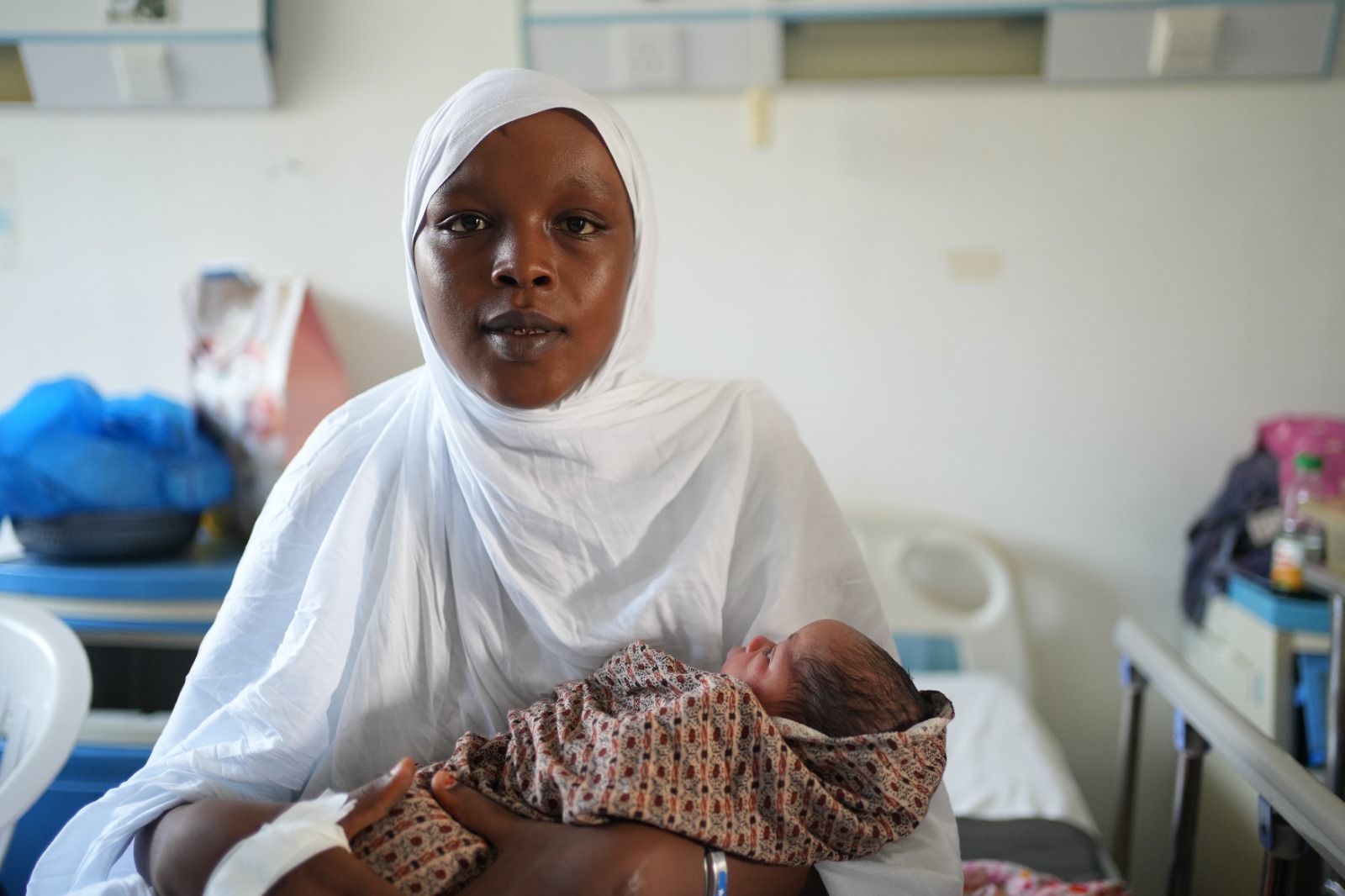
The impact of this nexus is most visible at the point of service: a mother seeking therapeutic feeding for a malnourished child is simultaneously screened for maternal health risks and offered protection services. This holistic approach maximizes every contact point, ensuring vulnerable households receive comprehensive support in a single visit.
Data-Driven Accountability and Digitalization
A primary focus for Mr. Cuesta, Mrs. Mattei, and Mr. Navarro was the evolution of humanitarian accountability through technology. The delegation reviewed how digital patient tracking and real-time pharmaceutical supply chain management are transforming service delivery.
These digital logs provide an immutable record of aid delivery, while automated stock management prevents “stock-outs” of life-saving medicines. For highly mobile Internally Displaced Person (IDP) populations, patient history tracking allows for precision care and significantly better long-term health outcomes.
The Voice of the Frontline

The visit wasn’t just about inspecting facilities; it was about human connection. The delegation sat with health workers to discuss the grueling challenges of delivering care amidst drought, displacement, and complex logistics.
“This mission serves as a vital bridge between policy and reality,” said Dr. Mohamed Maalim of the CaafimaadPlus Consortium. “It demonstrates that even in the most logistically heavy and insecure environments, we can deliver high-quality, data-driven care that maintains the trust of the community.”
Bridging the Gap Through Outreach
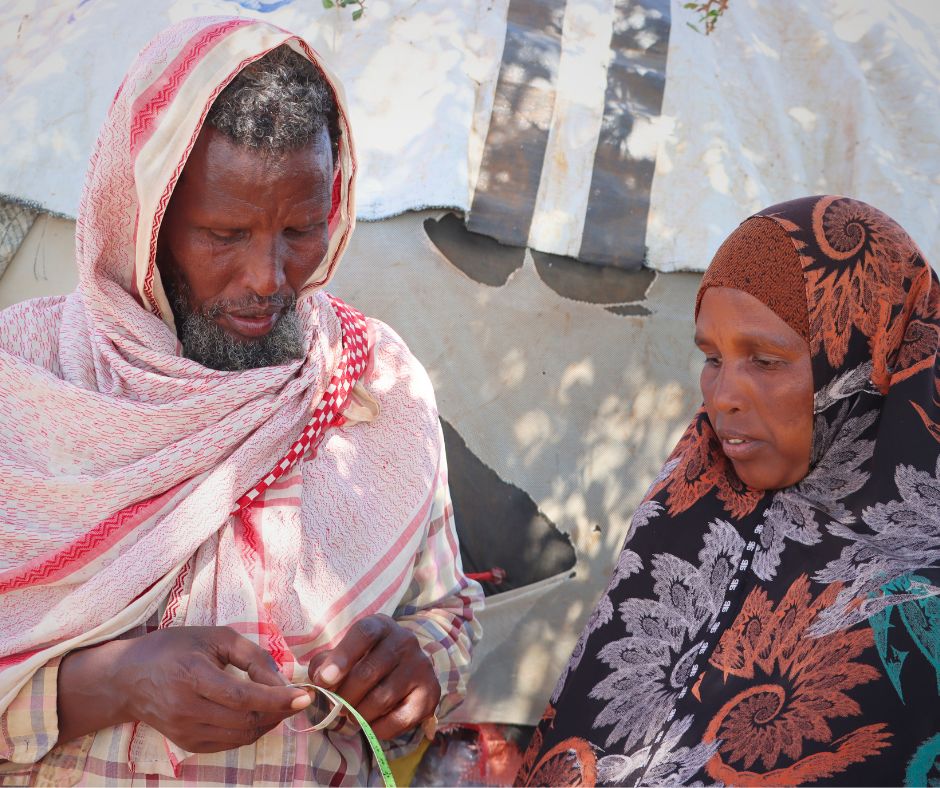
A major observation from the trip was the power of proactive community outreach. The delegation listened to how health workers travel deep into IDP camps to find those too sick or too afraid to seek help—a strategy that has significantly increased the number of people accessing professional medical services.
The project ensures that the voices of women and children remain at the center of the mission through formal monitoring systems that incorporate community feedback. As the delegation returns, the insights gathered by Mr. Cuesta, Mrs. Mattei, and Mr. Navarro will help refine these programs, ensuring that every euro of support continues to make a measurable difference in the lives of Somalis.