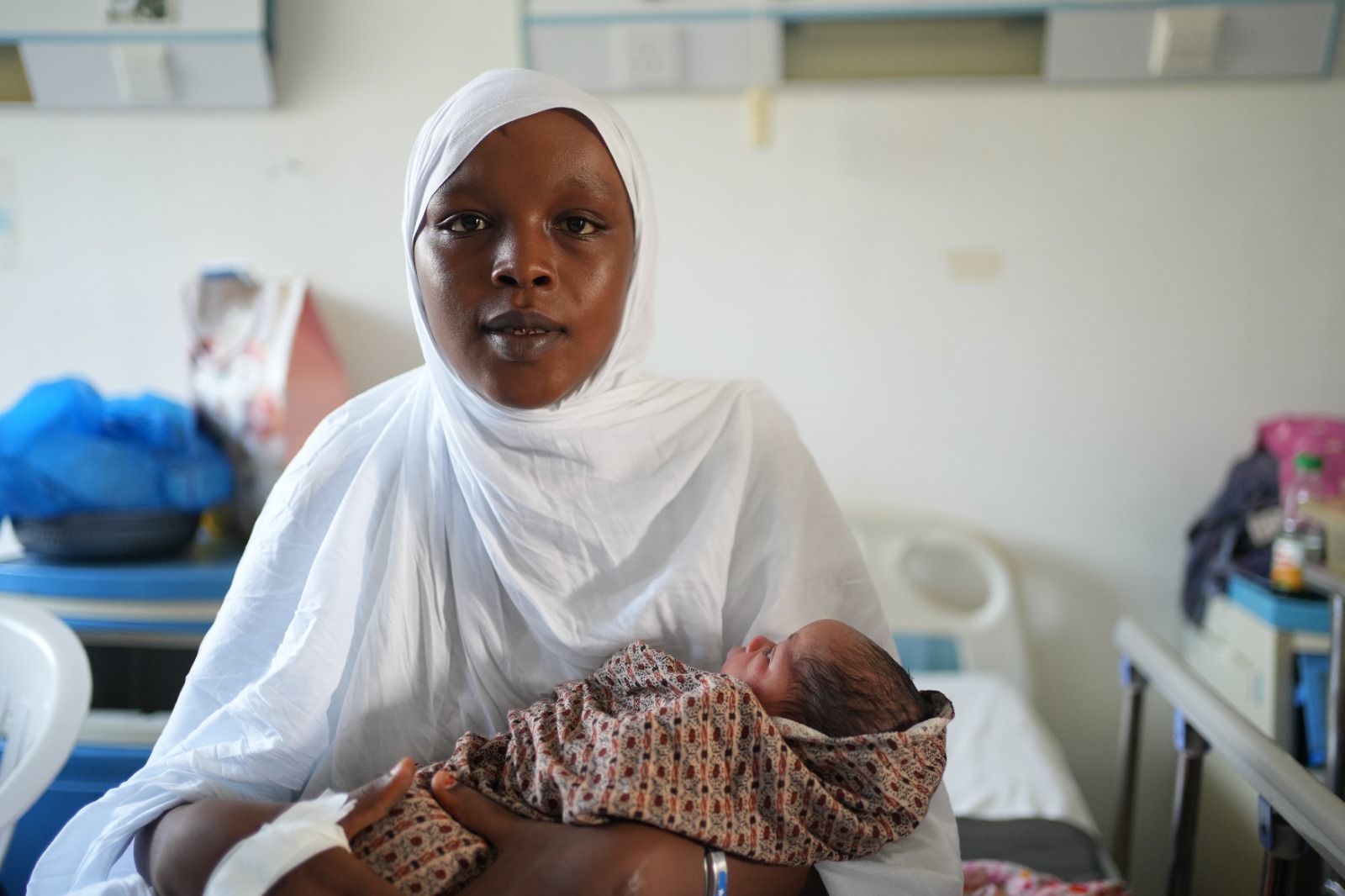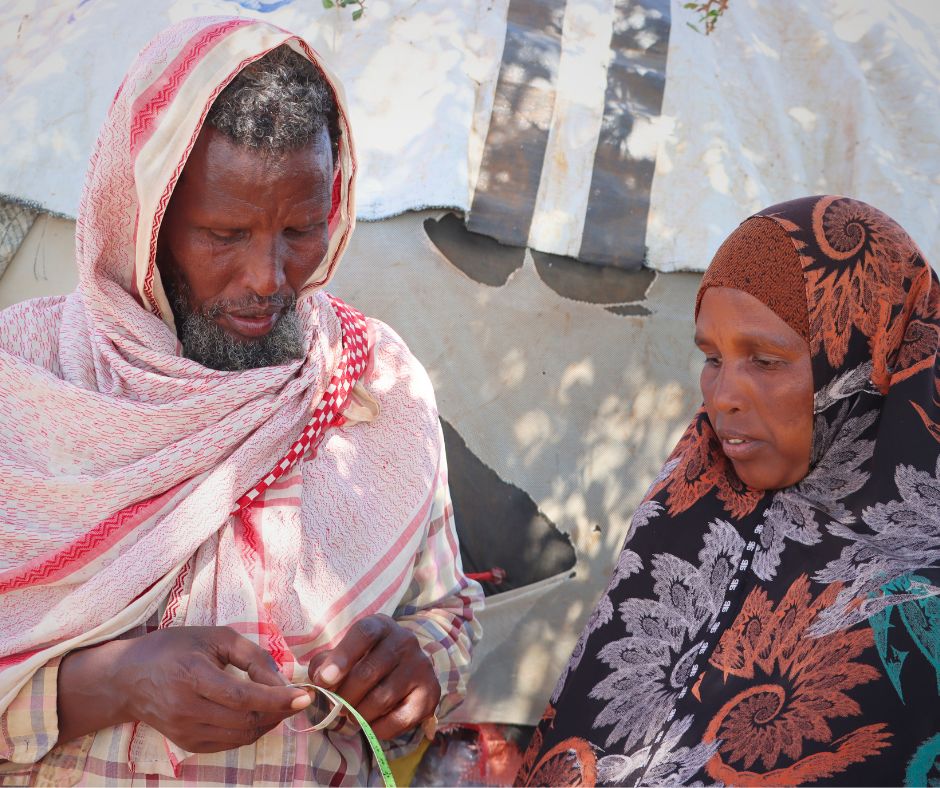

In Somalia, where drought and displacement frequently disrupt lives, the difference between a child recovering from malnutrition or falling further into crisis often depends on a single point of contact: the local health worker. For years, health and nutrition services have often operated in silos, meaning a mother might receive prenatal care during one visit but miss out on critical nutritional counseling that could save her child’s life.
To bridge this gap, the CaafimaadPlus consortium recently concluded a landmark three-day Training of Trainers (ToT) in Mogadishu. This initiative, designed to weave health and nutrition services into one seamless experience for patients, marks a significant step toward a more resilient and responsive health system for Somalia’s most vulnerable populations.
Closing the Gap: Why Integration Matters
Recent assessments by the British Embassy Mogadishu and UNICEF revealed a critical need for more specialized training among frontline staff, particularly in maternal nutrition and the early identification of wasting. In response, DAI Global, in partnership with the Federal Ministry of Health and CaafimaadPlus, developed a comprehensive training package. The goal was to ensure that every time a mother or child enters a facility—whether for an immunization or a routine check-up—they receive a full spectrum of integrated care.
From Learners to Leaders

The three-day intensive program brought together 30 participants, including facility-based workers, Ministry staff, and instructors from the SOS Health Sciences School. This was far from a typical lecture-based seminar; instead, it utilized dynamic adult-learning methods such as case studies to solve real-world clinical scenarios and role-playing to practice sensitive counseling for mothers and adolescents. Through hands-on teach-back sessions, each participant facilitated a module to prove they were ready to return to their home districts and train their own colleagues.
According to a Ministry of Health facilitator, the training equips health workers to integrate nutrition into all service points, from antenatal care to routine child immunizations. This is seen as a critical step toward providing coordinated, high-quality care that addresses the multiple vulnerabilities faced by families in crisis-affected areas.
The Power of Local Capacity
By focusing on a “Training the Trainers” model, the consortium is building long-term sustainability. Instead of relying on outside experts, Somalia is developing a homegrown network of master trainers who can cascade this knowledge directly to remote clinics and IDP camps. These participants gained vital skills in early identification to spot at-risk clients before they reach a state of emergency, and in integrated counseling to provide life-saving nutrition advice during Antenatal (ANC) and Postnatal (PNC) visits.
The training also placed a heavy emphasis on strengthening referral pathways, ensuring there is a seamless transition between primary care and specialized stabilization centers. This holistic approach ensures that no mother or child falls through the cracks of the healthcare system because of a lack of coordination between departments.
Recognition and the Road Ahead
The training concluded with a formal certification ceremony, recognizing these 30 professionals as accredited trainers. This certification is more than a piece of paper; it is a badge of accountability and a promise of quality for the communities they serve. As these trainers return to their respective sites, the ripple effect of their new expertise will be felt across the entire health network.
With continued technical guidance from DAI and support from the UK and UNICEF, CaafimaadPlus is ensuring that the health workforce is proactive rather than just reactive. By combining knowledge, practical skills, and ongoing mentorship, this initiative contributes to improved health outcomes and a more resilient, responsive health system for all of Somalia.