
Gender-based violence (GBV) remains one of the most persistent challenges in Somalia, often shrouded in stigma and silence. For many women and girls in displacement camps and conflict-affected areas, the barriers to seeking help—fear, social taboo, and a lack of information—can feel insurmountable.
This year, the 16 Days of Activism campaign served as a powerful catalyst for change. Led by CaafimaadPlus, the initiative moved beyond simple awareness, creating safe spaces for difficult conversations about sexual violence, FGM, and the protection of women’s rights.
From Policy to the People

The impact of the campaign was evident throughout Somali society. At the national level, advocacy reached the highest government offices. The Gender and Human Rights Advisory Group, chaired by Mohamed Bashir, Director General of the Ministry of Women and Human Rights Development, along with the co-chairs of the ambassadors of Sweden and Canada, provided a critical opportunity to engage members of the National Human Rights Commission.
Working alongside a broad coalition of stakeholders—including the UN, INGOs, civil society, and the government—they jointly advocated for key parliamentary recommendations. These were successfully approved on December 10, 2025, a significant date that coincided with International Human Rights Day and the official closure of the 16 Days of Activism.
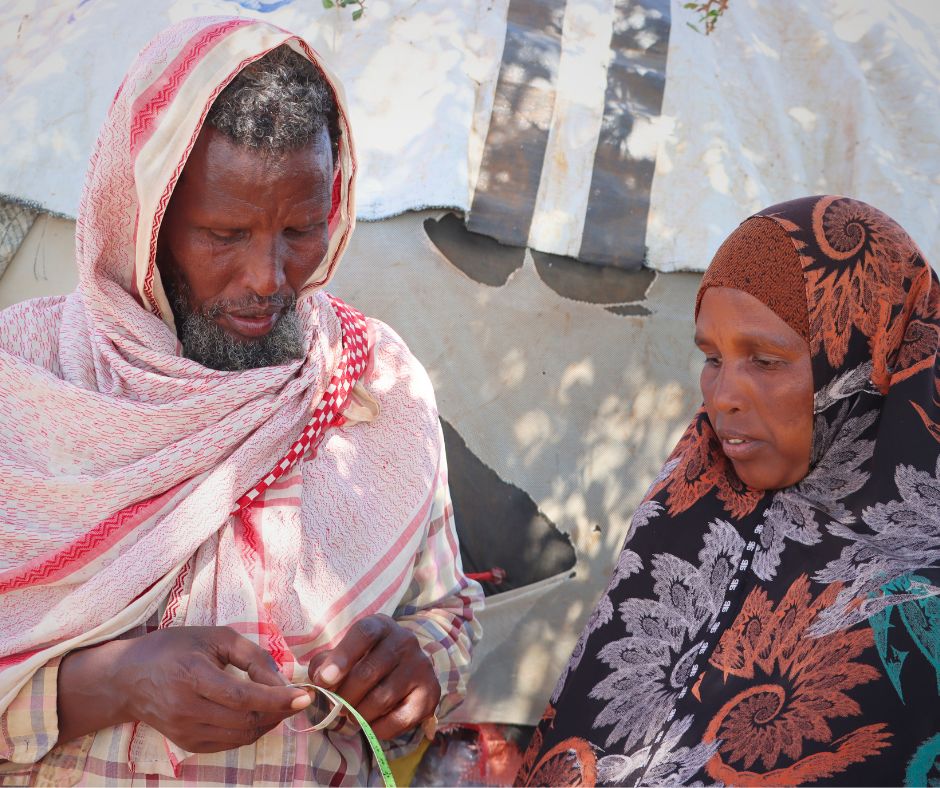
However, the true heart of the campaign was in urban and rural communities and various IDP camps. Through culturally resonant methods like Somali-language poetry and traditional drama, the campaign sparked dialogues with religious leaders, elders, and youth. These sessions tackled sensitive topics in a way that respected local values while prioritizing safety.
Combatting a New Frontier: Digital Violence
Aligning with the global theme, “UNiTE to End Digital Violence against All Women and Girls,” the campaign addressed the rising threat of online harassment and cyberbullying. In an increasingly connected world, digital spaces have become a new frontier for abuse.
CaafimaadPlus integrated specific messaging on digital safety, educating women and girls on how to protect their digital identities and where to report online threats. By addressing digital violence alongside physical and social risks, the initiative ensures that the protection of women and girls extends from the home to the digital world.
Shifting Mindsets and Building Trust
The campaign has sparked a fundamental shift in how these issues are perceived. For the first time, traditional elders are publicly condemning violence, and parents are actively supporting their daughters’ access to essential services. This cultural shift is creating a protective environment where the rights of women and girls are championed by the leaders who define community norms.
This change is translating directly into action. Service providers have noted a significant rise in early reporting and more informed inquiries from women and girls who now know exactly where to turn for help. By refreshing frontline workers on survivor-centered protocols, the project ensures that every report is handled with the dignity, confidentiality, and care that survivors deserve.
Furthermore, the campaign has successfully moved men and boys from the sidelines. By discussing their roles in prevention, they are becoming active allies. As one youth volunteer in a displacement camp reflected, “Talking openly about these issues helps our community know that change is possible and that help is available.”
A Sustainable Path Forward
For the teams on the ground, the end of the campaign is just the beginning. The goal is to ensure that the “safe spaces” created over the last 16 days remain open permanently. Ayan Mohamed, the GBV and Protection Coordinator for Action Against Hunger, emphasizes the importance of this continuity:
“The 16 Days of Activism is more than a campaign; it is a starting point for sustained engagement. By integrating protection messaging into our daily health and nutrition services, we ensure that every woman who enters a facility feels safe to speak and empowered to seek help.”
To ensure this momentum is not lost, CaafimaadPlus is embedding GBV messaging into primary health and nutrition programs. By strengthening referral hotlines and protection desks, we are ensuring that when a survivor finds the courage to speak out—whether about physical harm or digital abuse—the system is ready to respond. Building a safer Somalia requires the continued commitment of local leaders, international partners, and every member of the community.
This transformative work is anchored by the steadfast support of our international partners. We stand together with EU Humanitarian Aid (ECHO) and the British Embassy Mogadishu, whose commitment to the protection of women and girls in Somalia has provided the essential resources to turn these advocacy efforts into life-saving services. Their partnership ensures that our teams can maintain a constant presence in the most vulnerable communities.
Building a safer Somalia requires more than a campaign—it requires the continued commitment of local leaders, international partners, and every member of the community.