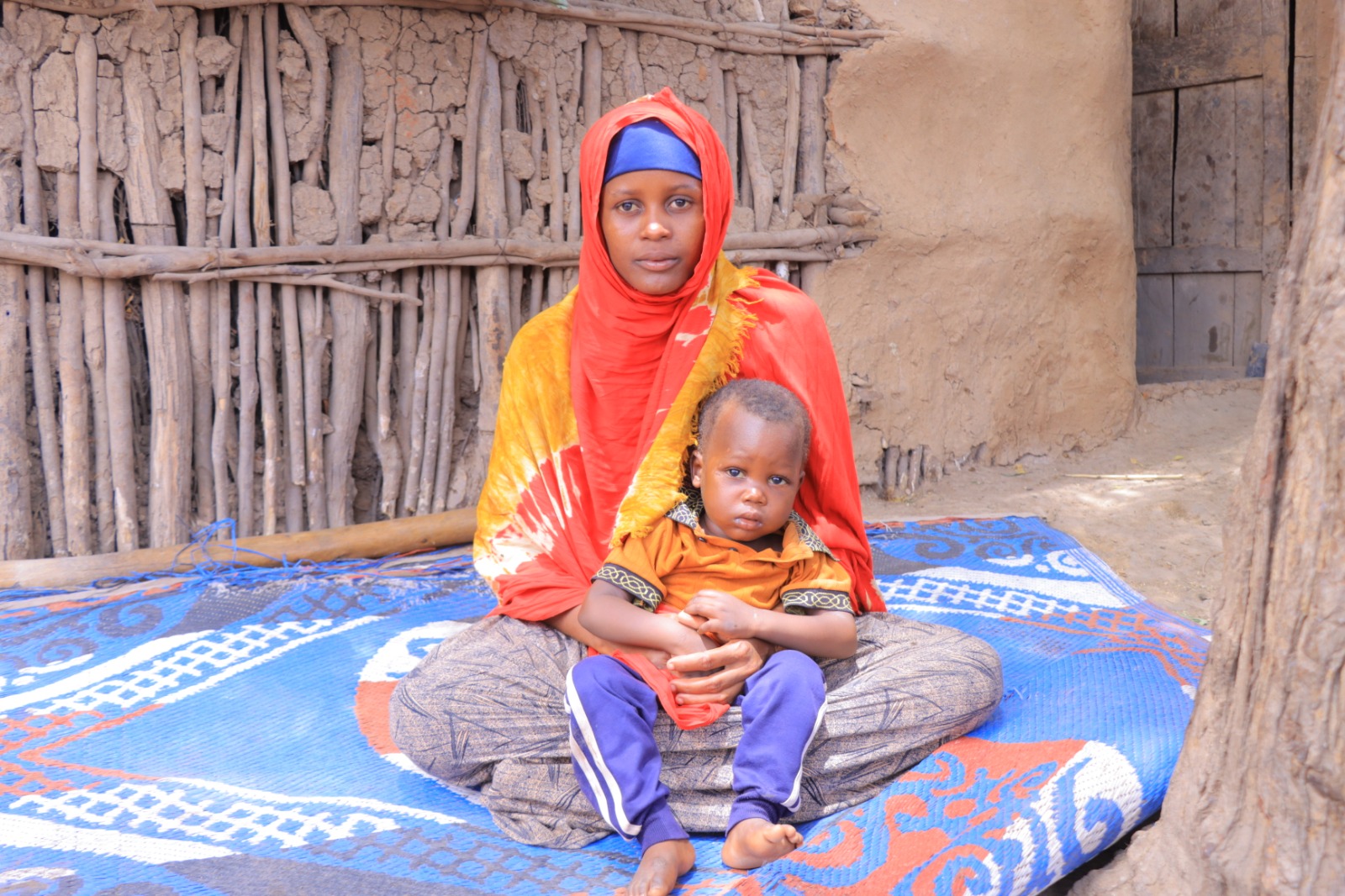
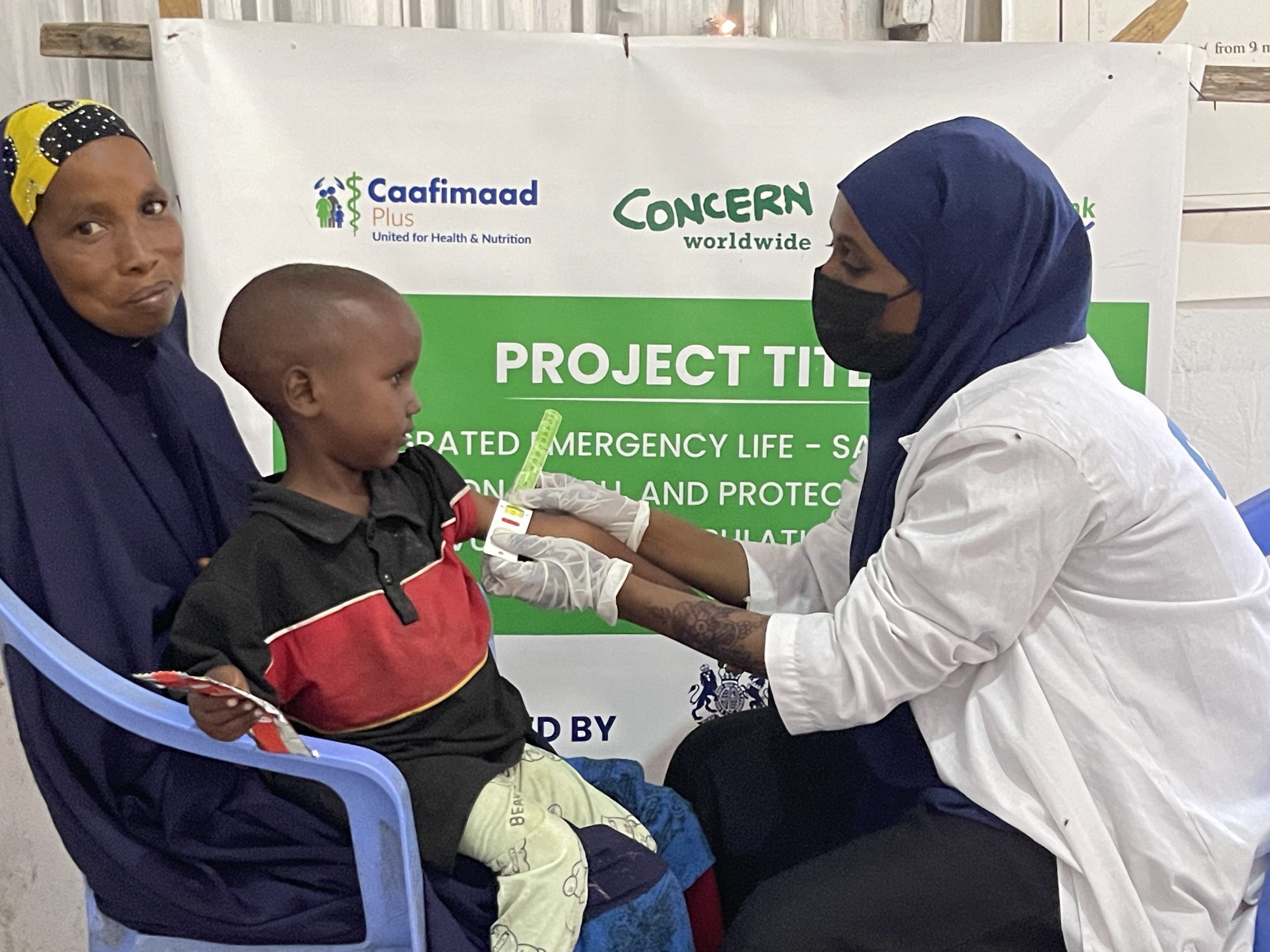
“I lost my crops. I stood for my family despite everything.” Amina Hussein Mukhtar’s words echo the silent struggle of thousands in Somalia, but her story is a testament to the incredible resilience of a mother who refused to let crisis define her future.
When the 2025 Deyr rains failed, the fields in Qoryooley went silent. For Amina, the “safety net” was not a bank account; it was her livestock and her harvest. When those vanished, she fled to the Mustaqiim IDP camp in Mogadishu.
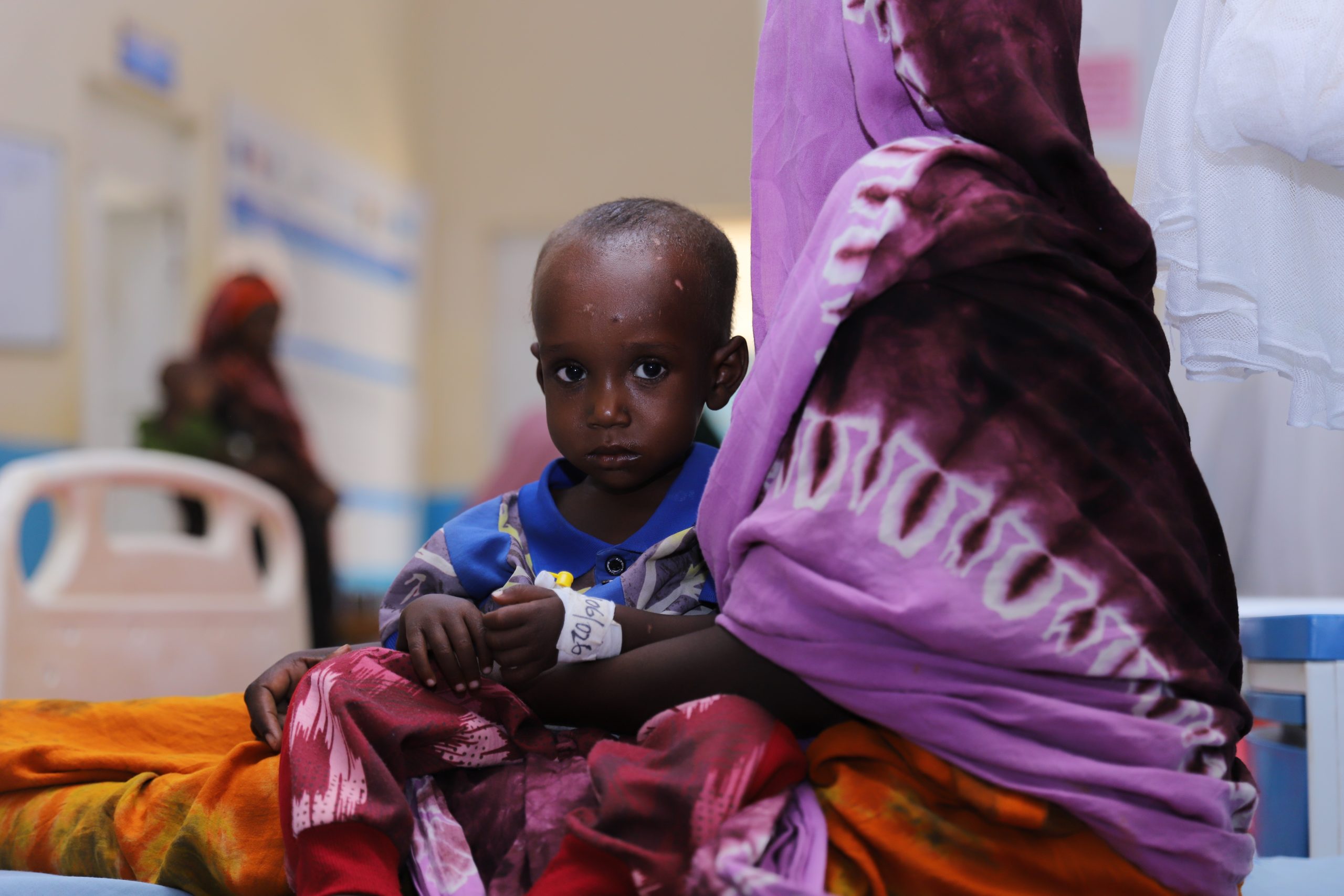
In a country where nearly 45% of children under five face acute malnutrition this year, the crisis is not just a statistic; it is a quietness that settles over a home. In the dust-swept corridors of the camp, Amina watched as her 52-month-old son, Abdiazis, began to fade.
The boy who once filled their home with laughter could no longer eat, run, or even stand. Hunger became a silent companion in their makeshift shelter, a reality shared by nearly 1.8 million children across Somalia who desperately need more than just food.
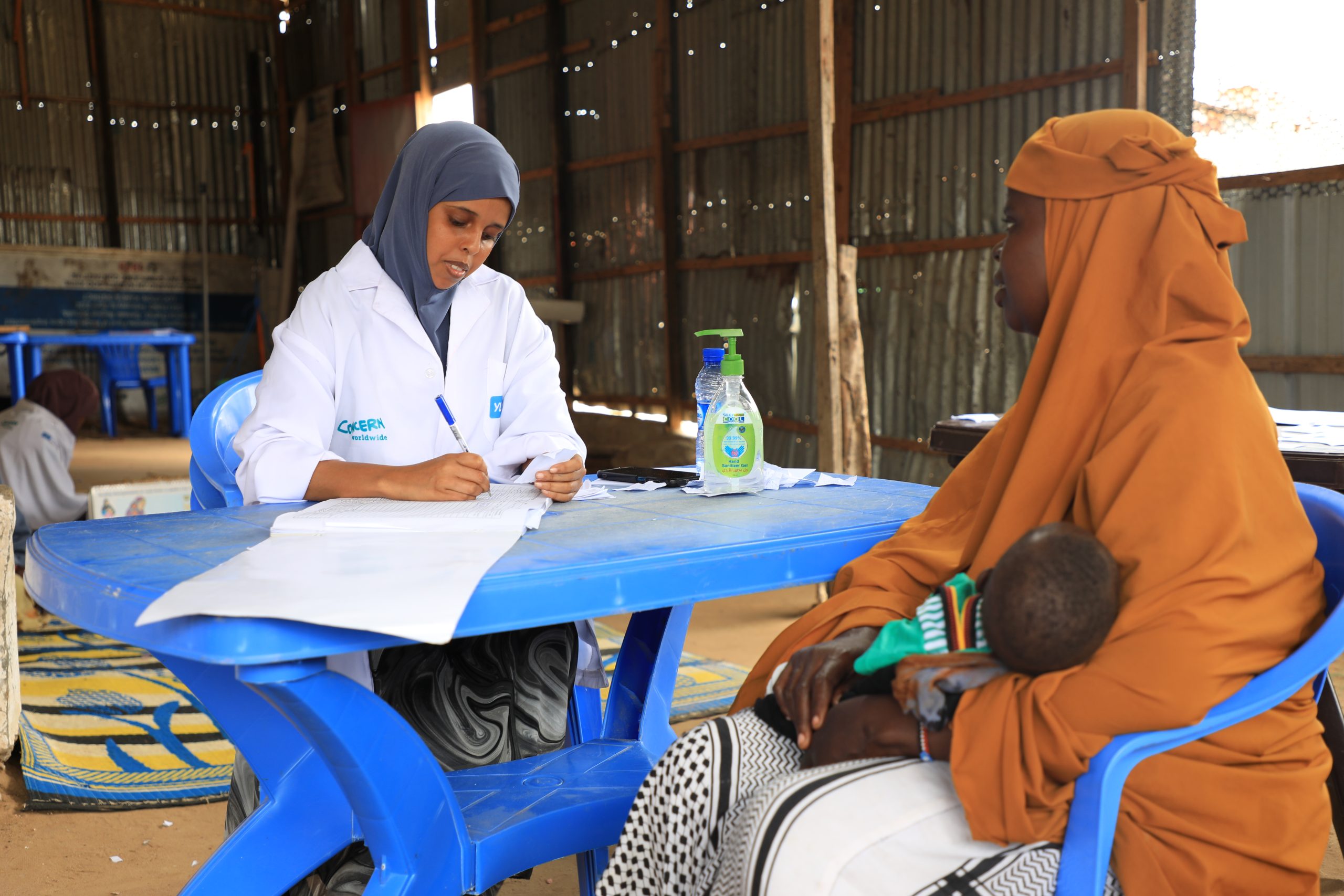
During a routine screening, community health workers from YouthLink, a local partner working with Concern Worldwide, identified the boy’s condition. The diagnosis was a mother’s greatest fear: Abdiazis was severely wasted, his tiny arm measuring a low 11.0 cm on the MUAC scale.
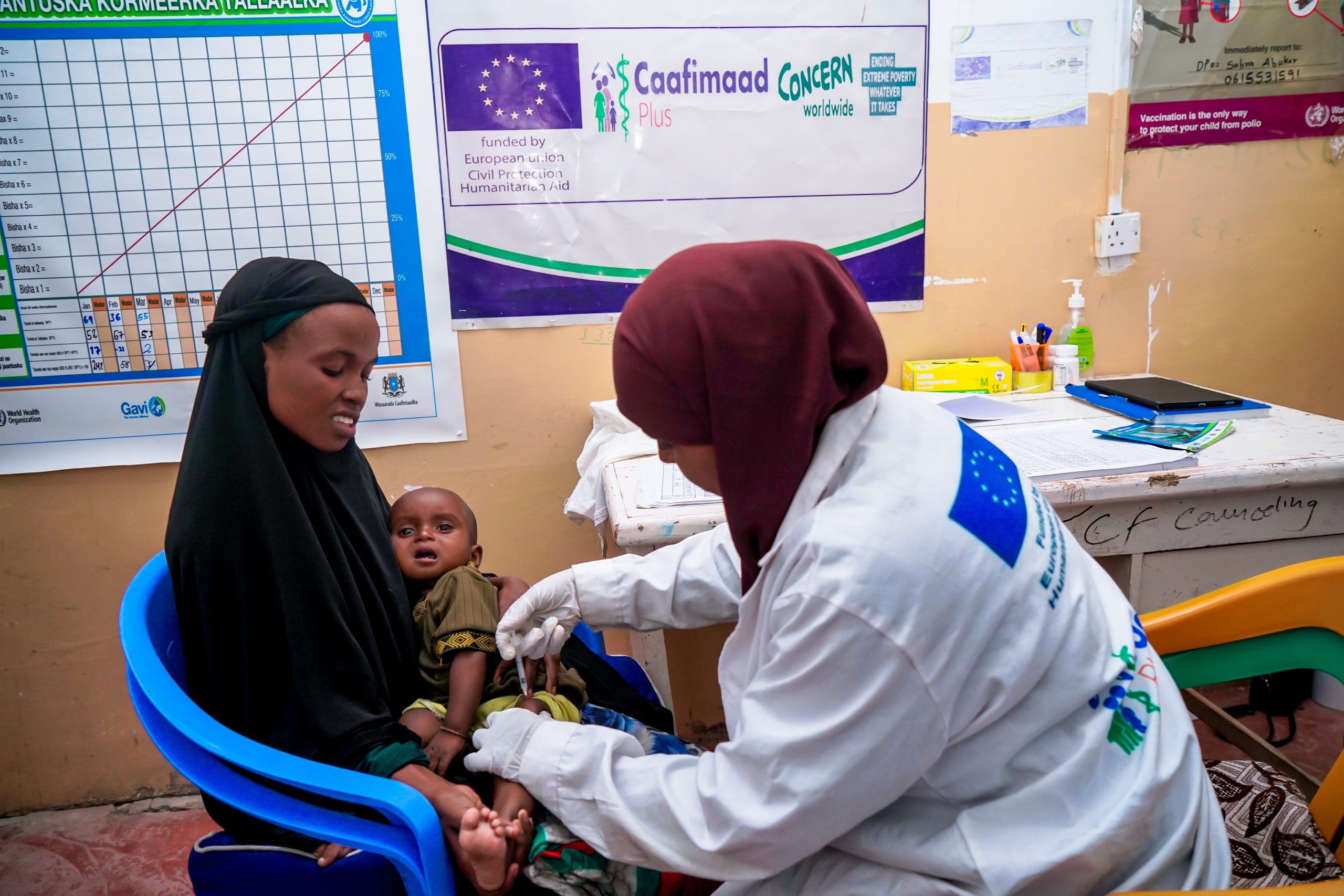
This life-threatening moment triggered an immediate, integrated response from the Caafimaad Plus Consortium. Without this timely intervention, the risk was unthinkable; medically, children with severe wasting are 11 times more likely to die than their healthy peers.
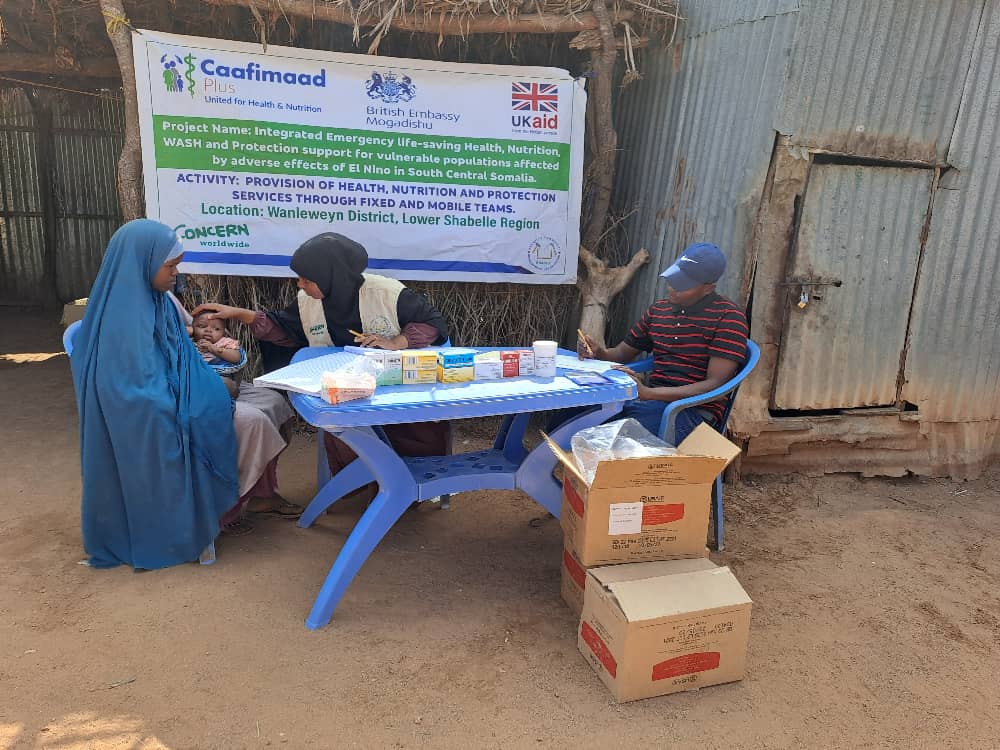
Supported by the British Embassy Mogadishu, the intervention recognized that Amina did not just need a clinic; she needed a partnership. While the program provided the life-saving Ready-to-Use Therapeutic Food (RUTF), it was Amina’s hands that administered the “care” cure.
To protect the recovery of children, the Caafimaad Plus integrated response included the provision of Integrated WASH support. This ensured that the clean water families drank would not wash away their progress, breaking the vicious cycle of waterborne illness and malnutrition.
Amina did not just watch her son get better; she reclaimed her role as his protector. Through individualized counseling, she transformed their small corner of the camp into a sanctuary of healing, meticulously following every step of the treatment.
Six weeks later, the transformation was undeniable. Abdiazis’s weight climbed from 9.6kg to 12.3kg, and his MUAC reached a healthy 12.2cm. The listless child was gone, replaced by a boy whose eyes sparkled with newfound energy.
By January 6, Abdiazis was officially discharged. Today, if you visit Mustaqiim camp, you will not see a “patient.” You will see a healthy, active boy chasing his friends through the dirt, his laughter a defiant sound against the backdrop of displacement.
“After the RUTF and the medicine, he began to walk again,” Amina says, a smile finally softening her face. “Now, he is full of life. Alhamdulillah.” Her journey proves that timely intervention does not just save a life; it reclaims a childhood.
This success belongs to Amina’s dedication and the Targeted Supplementary Feeding Program (TSFP) that now sustains his growth. It is a testament to how professional humanitarian aid, when met with a mother’s love, creates a durable solution.
Through Caafimaad Plus, more than health is being restored; the dignity of the Somali family is being upheld. Special thanks to YouthLink, Concern Worldwide, and UK in Somalia for ensuring there is always a path from the brink back to the playground.