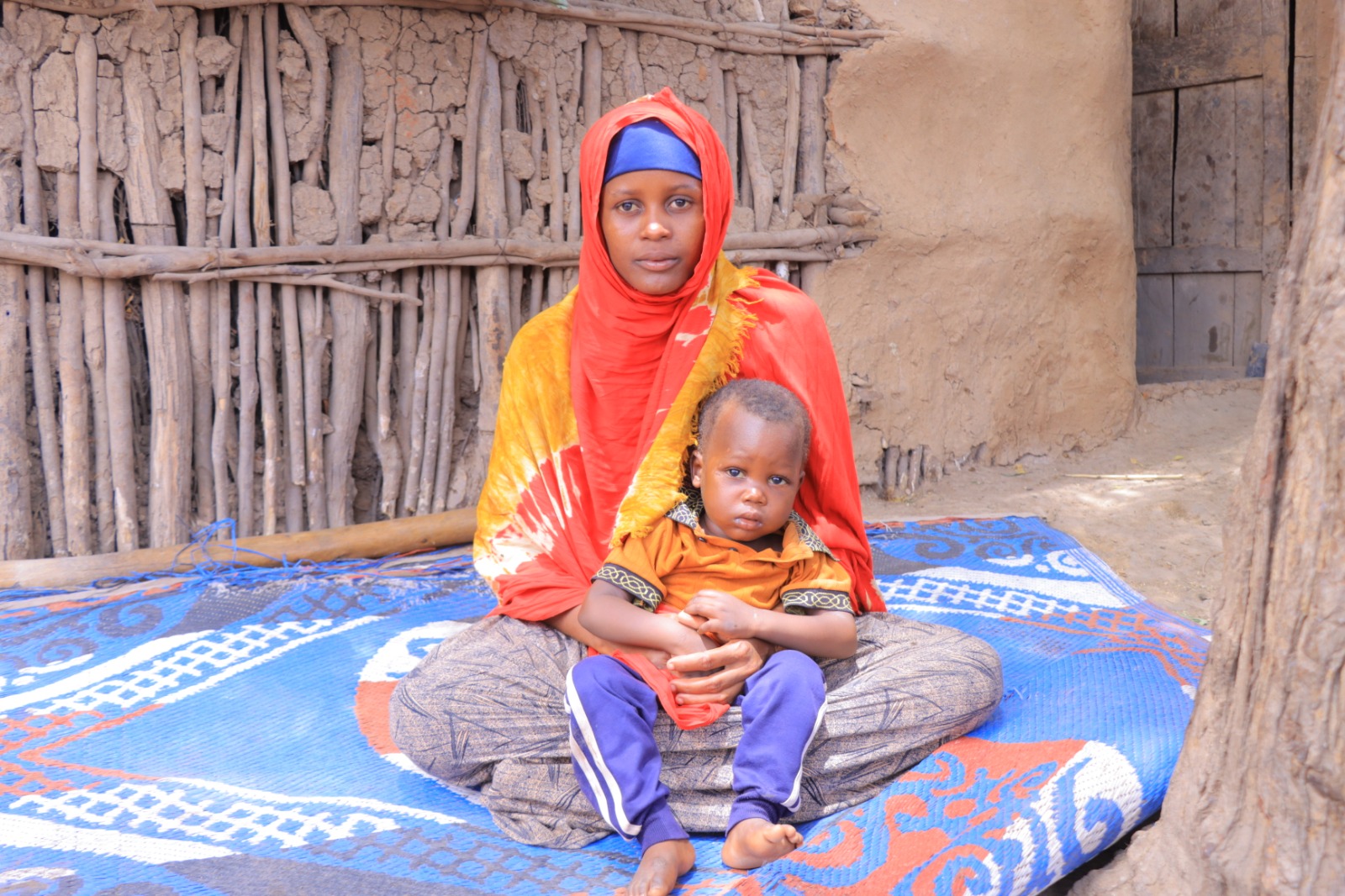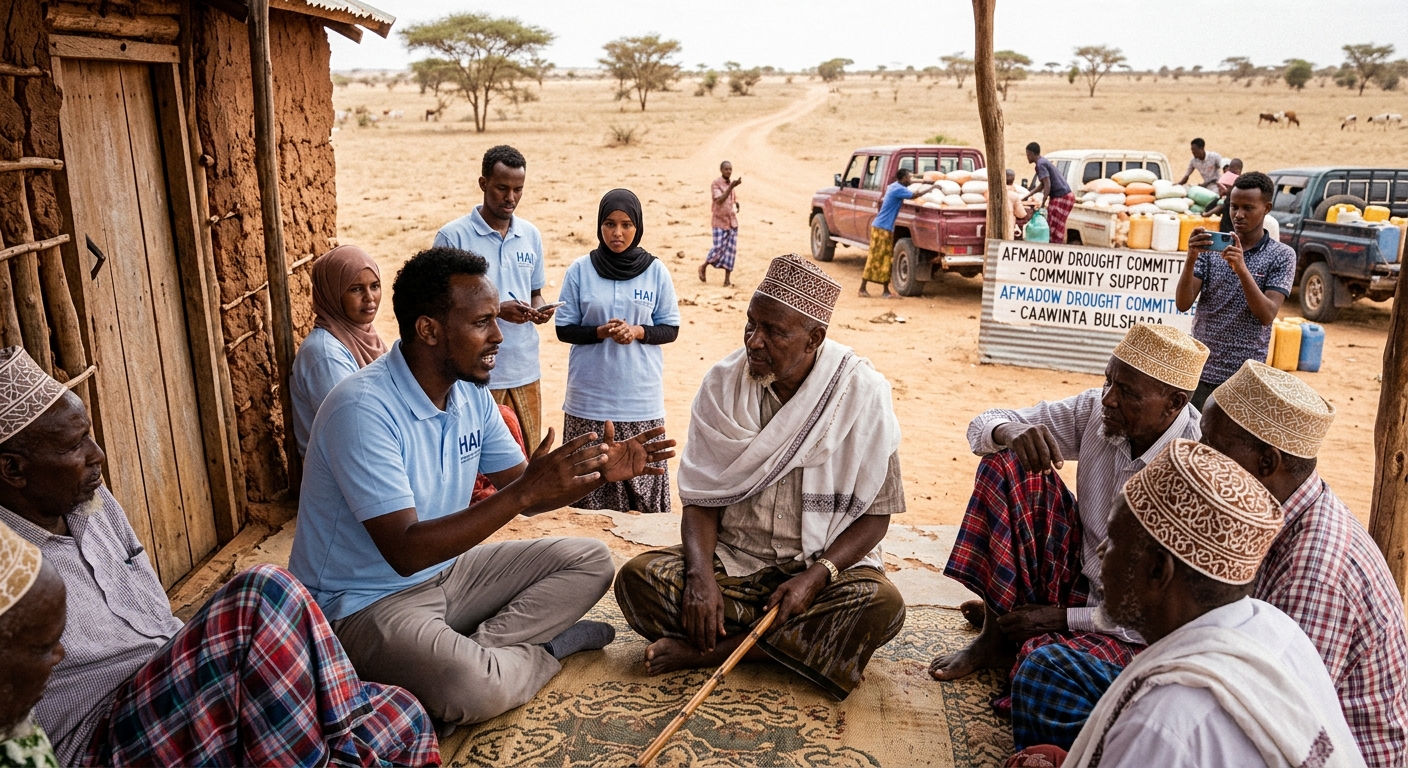
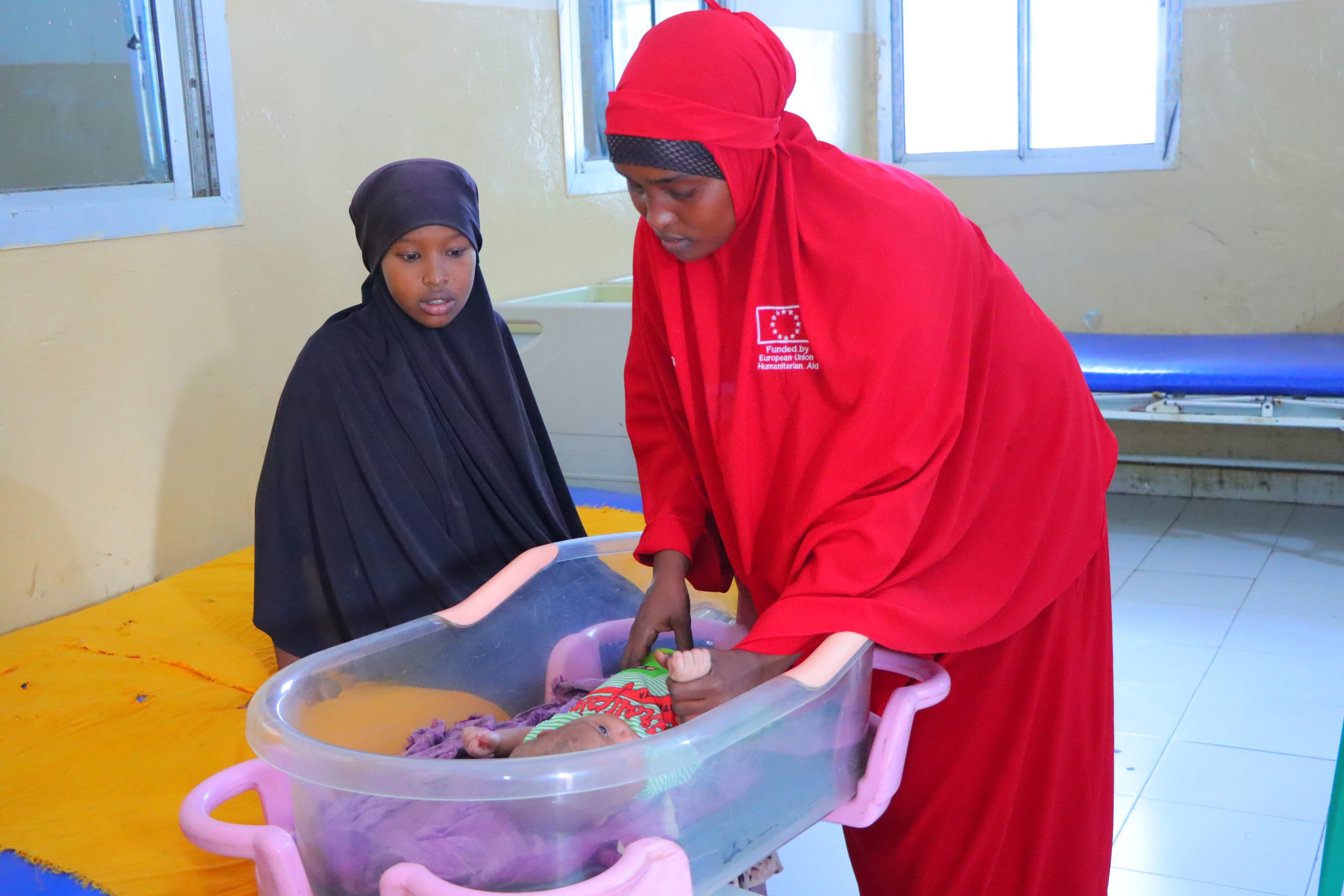
In the quiet corridors of an IDP settlement in Afgoye, 19-year-old Hodan Ali Hassan spent the final months of her pregnancy thinking about how to care for her soon-to-be-born child. Displaced by the relentless drought in Lower Shabelle, she felt the weight of a world she did not yet know how to navigate. It was during this time of uncertainty that a Community Health Worker from Juba Foundation, a local NGO, reached her makeshift shelter, recognizing her need for support and connecting her to the health facility in Afgoye for specialized care.
This connection was a lifeline. It led Hodan from the isolation of the camp to the integrated Infant and Young Child Feeding (IYCF) counseling sessions at the facility supported by EU Humanitarian Aid (ECHO) following her delivery.
“I thought the baby needed water since milk alone was not enough,” Hodan said, a day after she gave birth to Safiya.
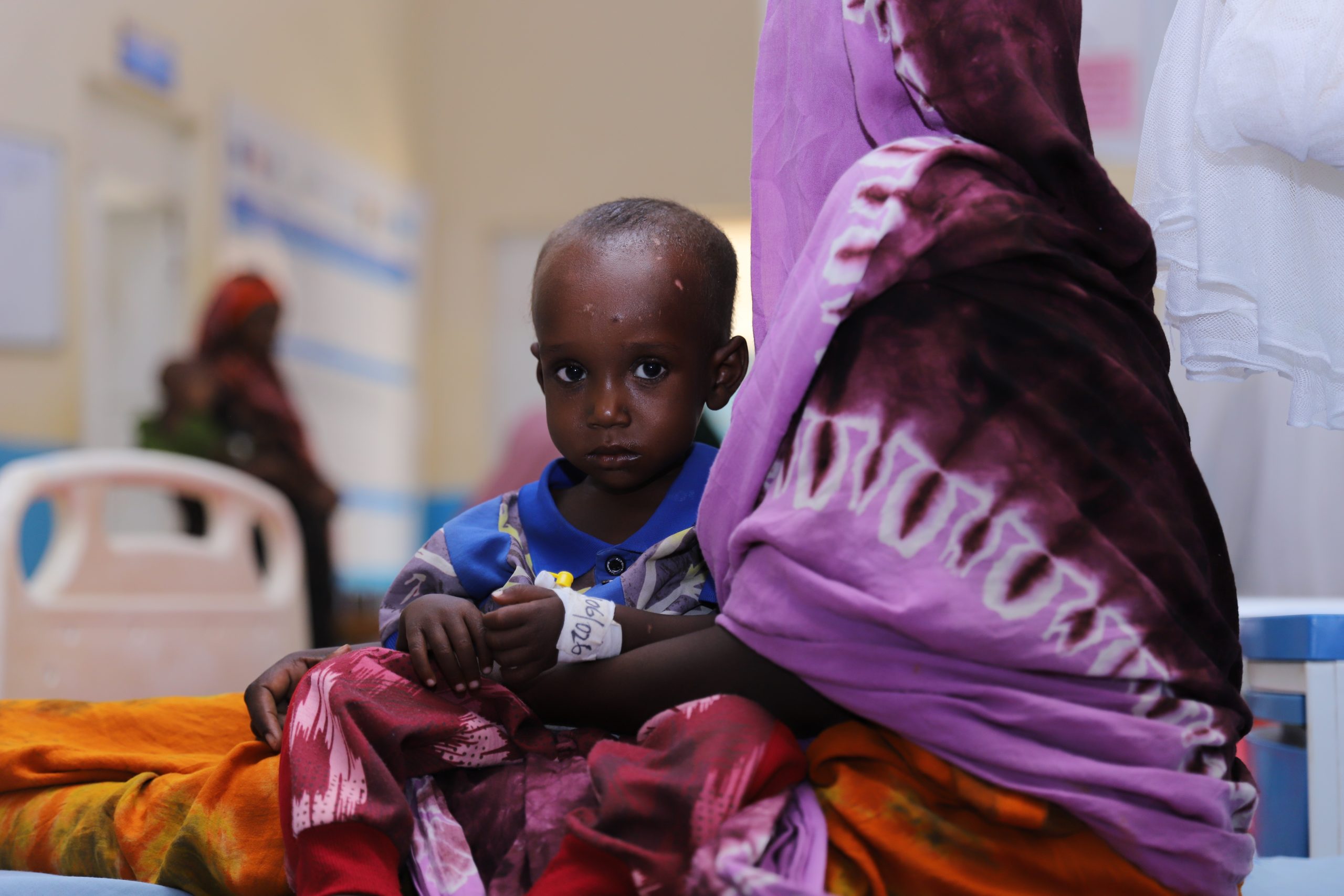
This doubt reflects a silent but dangerous reality. In a region where nearly 1.8 million children face acute malnutrition, the early introduction of contaminated water or porridge poses a life-threatening risk of waterborne diseases. The stakes are undeniably high; globally, undernutrition is an underlying factor in nearly half of all deaths in children under five.
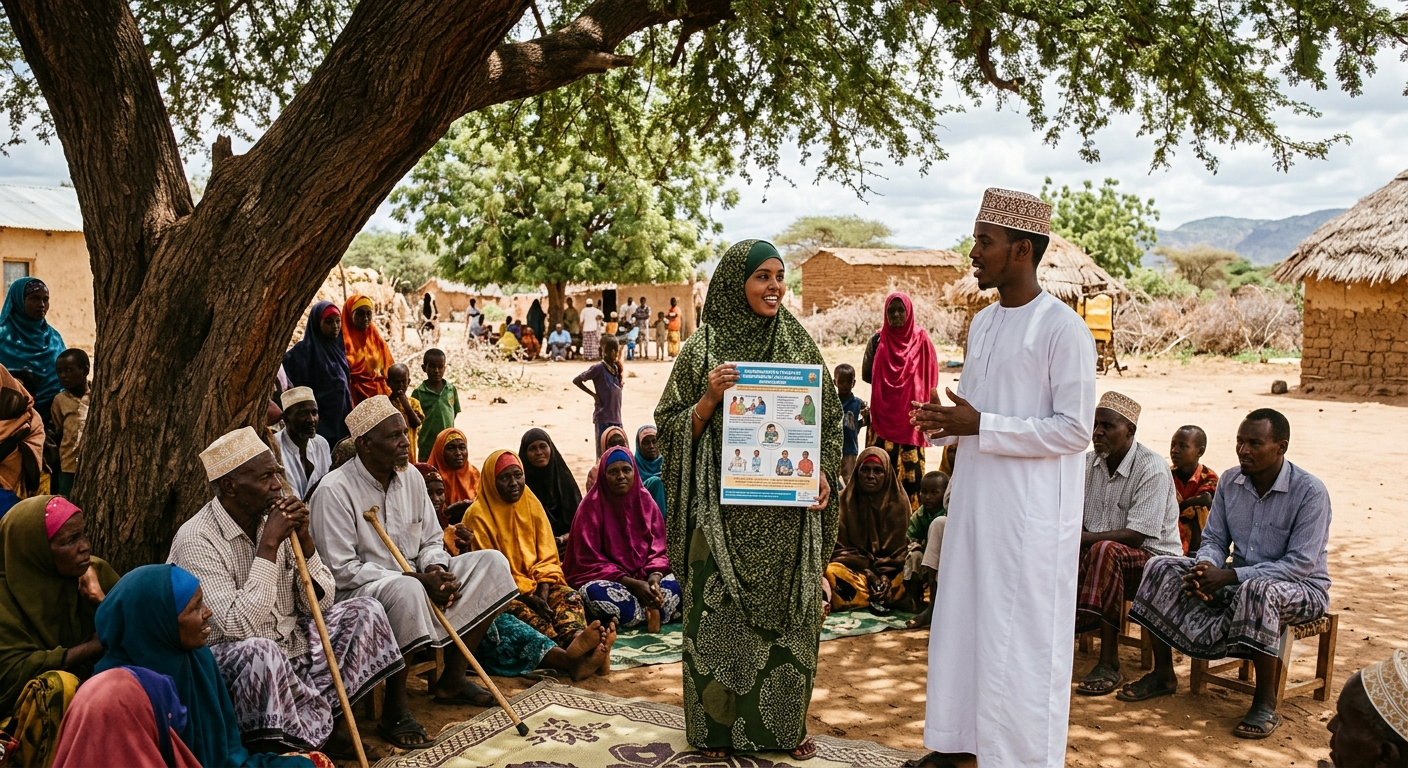
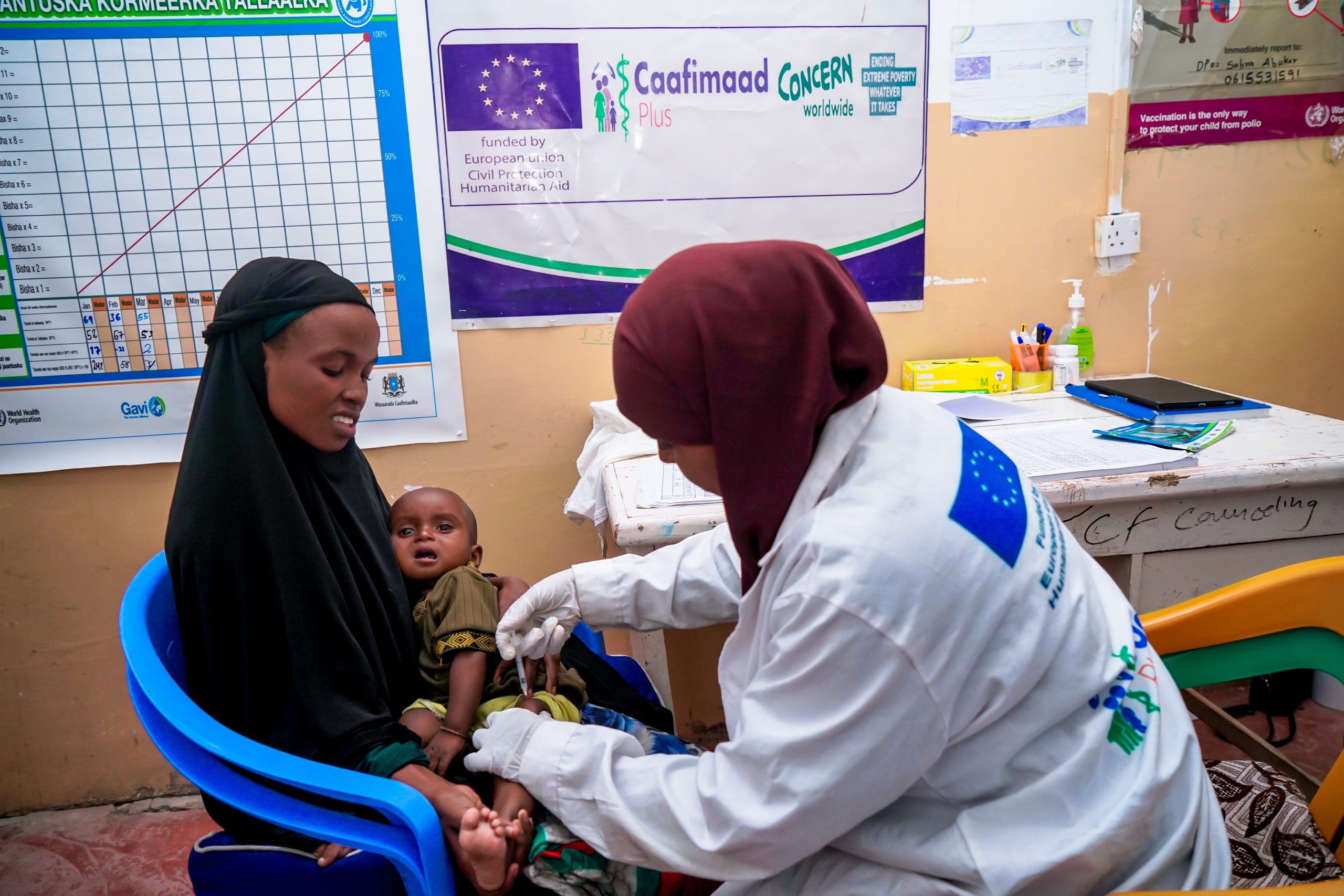
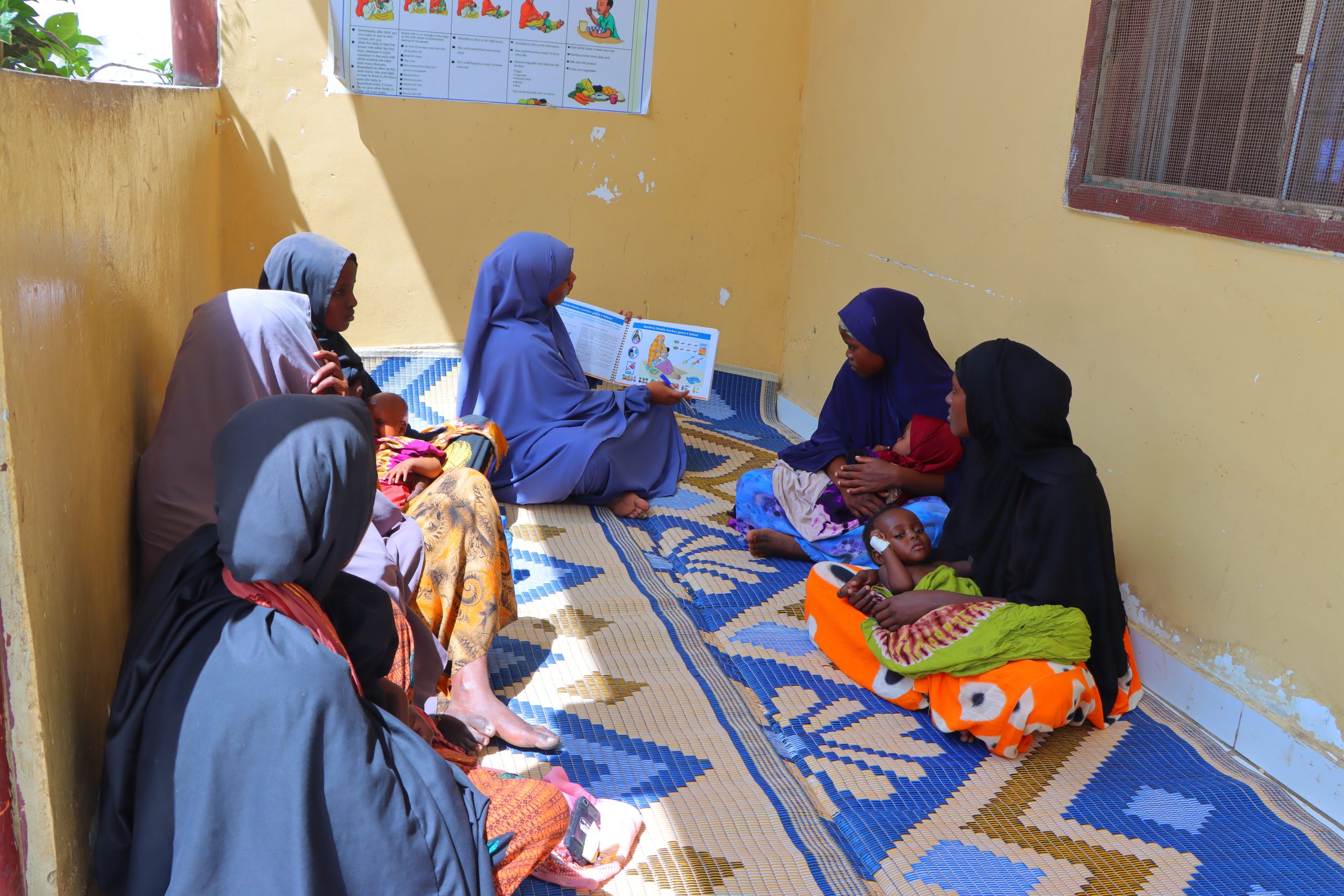
During the facility sessions, Hodan received practical guidance and demonstrations from trained nutrition staff on proper breastfeeding techniques, including correct positioning and attachment. She learned the vital importance of initiating breastfeeding within the first hour of birth and the protective role of breast milk in preventing common childhood illnesses.
The training also provided Hodan with information on maternal nutrition and hygiene. However, once back in the camp, Hodan heard older women urging others to give their babies water to survive the heat—advice that directly contradicted her training. Recognizing the value of the new knowledge she gained at the facility, Hodan remained determined. She chose the evidence-based path over long-standing community misconceptions.
“The health workers showed me how to breastfeed my baby and told me that breast milk alone is enough,” Hodan says, her confidence now visible. “Now my daughter is healthy and growing well.”
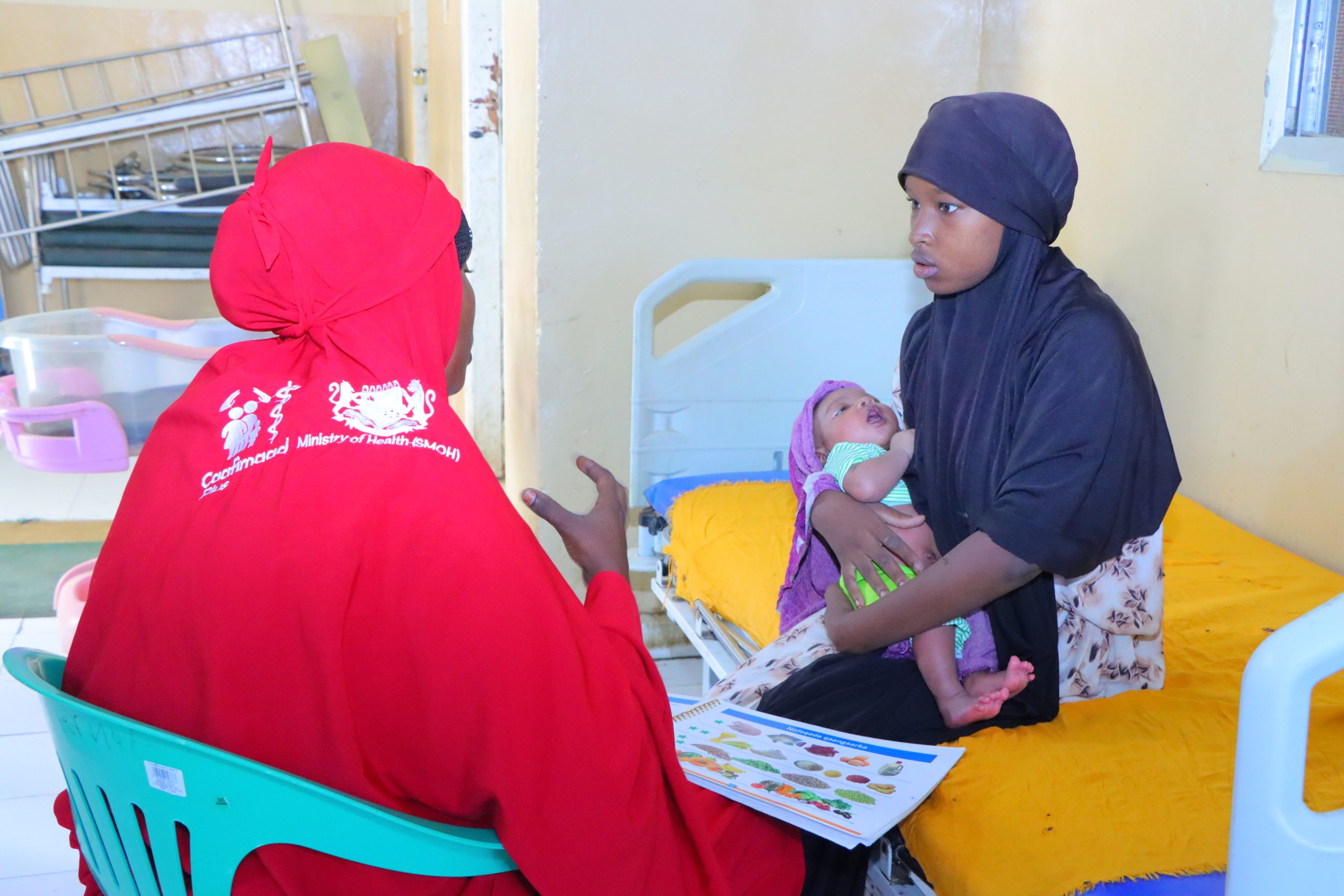
Today, back in her community. Safiya is gaining weight and is protected from illnesses that often lead to a cycle of malnutrition and relapse.
“I am very happy for what I learned,” Hodan adds with a smile. “I tell other mothers in my community to breastfeed their babies the same way.”
The Power of the IYCF Approach
“Promoting optimal Infant and Young Child Feeding practices is one of the most effective ways to protect children from malnutrition and disease. Through community education and counseling services, we are seeing mothers become more confident in caring for their children,” says Mariam Mohmed Abdirahman, IYCF Officer.
For the Caafimaad Plus Consortium, integrating IYCF into emergency programming is a functional requirement for sustainable impact. In the high-risk environments of Lower Shabelle, medical treatment for malnutrition is only half the battle.
While a stabilization center treats a child after they become ill, IYCF prevents the illness from happening in the first place. By centering our response on maternal education, we are building a “continuum of care” that begins during pregnancy and carries through to the household.
This approach ensures that children do not return to our facilities after discharge. IYCF works because it is a low-cost, high-impact strategy that leverages the most reliable resource available in a crisis: the mother. In Afgoye, we are proving that the most durable solution is a mother who knows her own strength. Through this integrated model, we are not just providing aid; we are restoring the dignity and health of the Somali family.
……………………………………………………

*Funded by the European Union. Views and opinions expressed are however those of the author(s) only and do not necessarily reflect those of the European Union. Neither the European Union nor the granting authority can be held responsible for them.