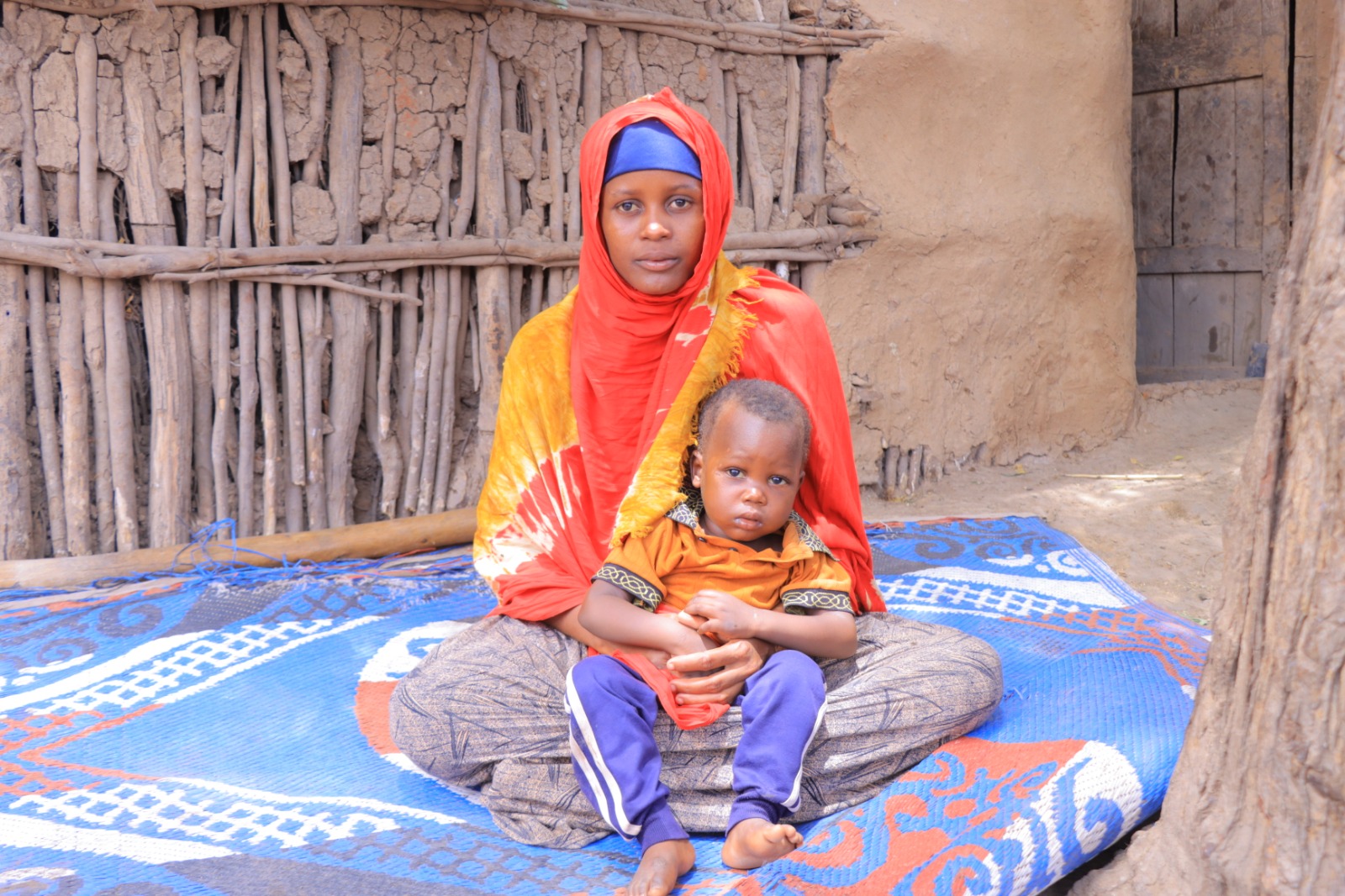
When drought destroyed the harvest that fed her family, Iqra Osman Ahmed had nothing left. No crops, no income, no way to survive in Daymo village, Middle Shabelle.
Her story is one of millions. Nearly 1.88 million children across Somalia are expected to need treatment for acute malnutrition this year, as worsening drought, conflict, and rising food prices have driven a sharp rise in acute food insecurity nationwide. IPC
Iqra borrowed money for bus fare and left for the Xindhere displacement camp in Daynile District. She hoped for safety.
What she found was a new struggle. Irregular income from washing clothes was never quite enough, for food, for clean water, for medicine.
Then her nine-month-old daughter, Barlin, stopped feeding.
Barlin grew frail and weak. She lost weight rapidly. Iqra watched her daughter slip away, powerless to stop it.
She brought Barlin to the Daynile Malnutrition Stabilization Centre.
“When we arrived, my daughter was so weak, and I did not know what to do,” Iqra said.
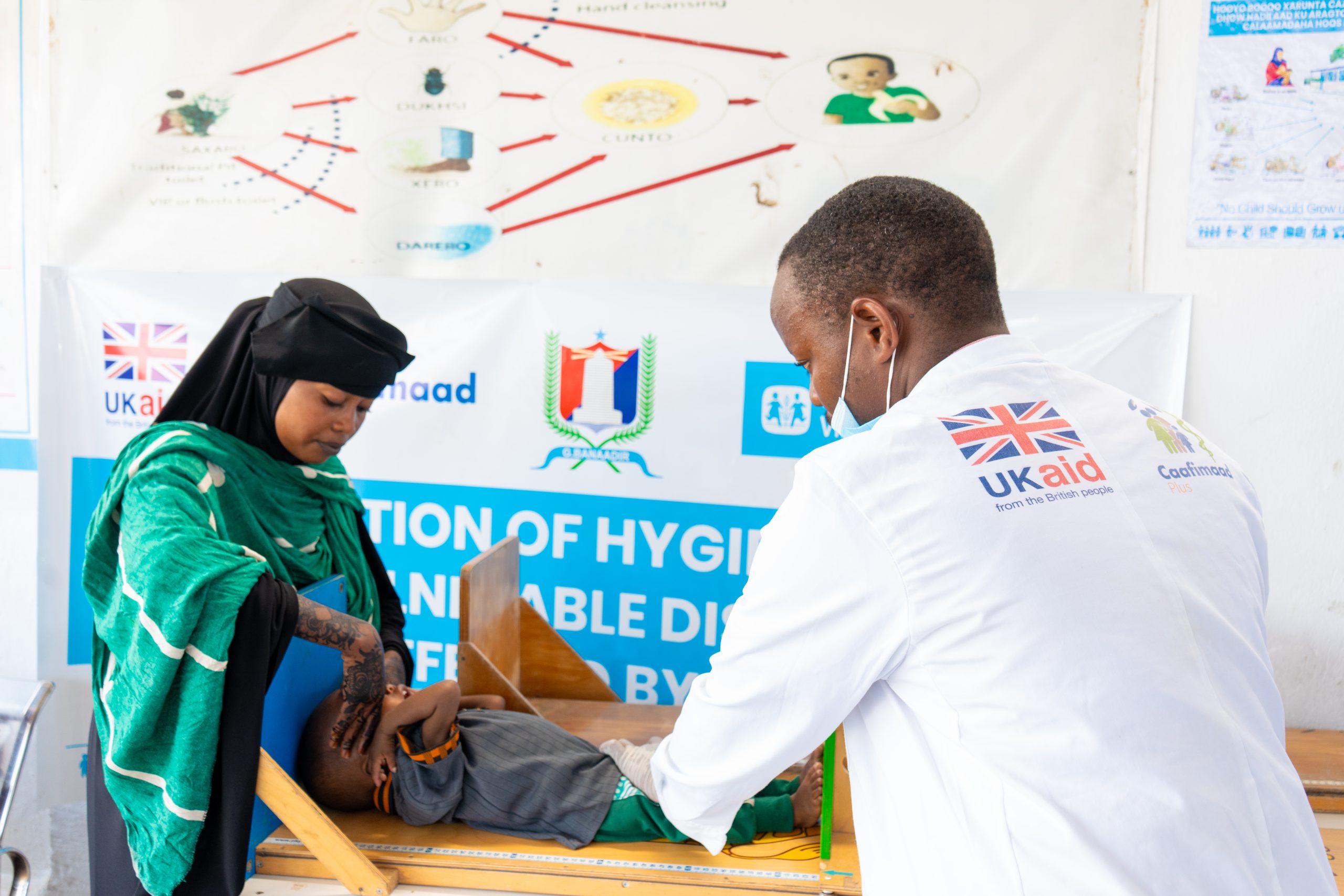
Health workers admitted Barlin for severe acute malnutrition. Doctors call it F-75. To Iqra, it meant her daughter might live.
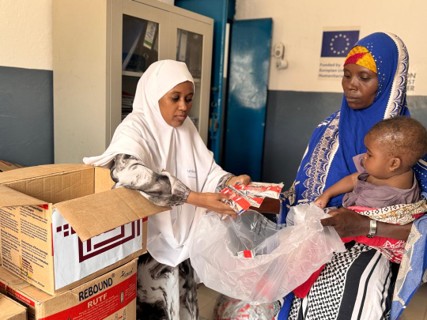
“The health workers welcomed us with kindness and provided the urgent treatment and therapeutic feeding she needed,” Iqra says.
As Barlin grew stronger, she moved to F-100, a richer formula to rebuild her weight. Routine checkups, growth monitoring, and immunizations protected her along the way.
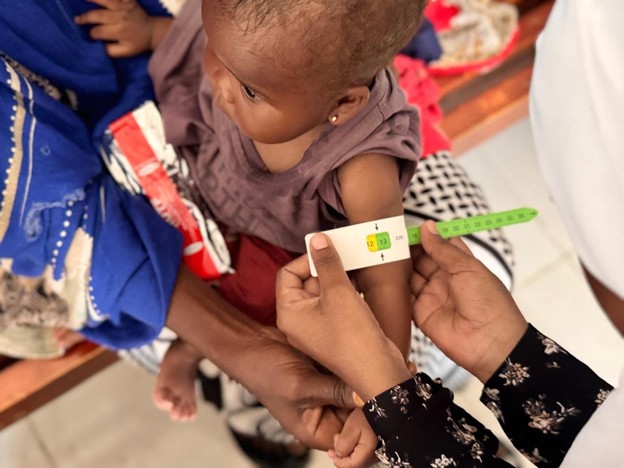
At admission, Barlin’s arm measured 9.7 cm, a marker of severe malnutrition. At discharge: 12.8 cm, back in the normal range.
Her weight rose from 4.8 kg to 7.2 kg in three weeks time. A 50% gain. The lethargy and appetite loss that frightened her mother were gone.
“Within days, I saw a remarkable improvement as she became healthier, started smiling again, and could sleep peacefully,” Iqra said. “I thank Allah and the health workers for saving my daughter’s life.”
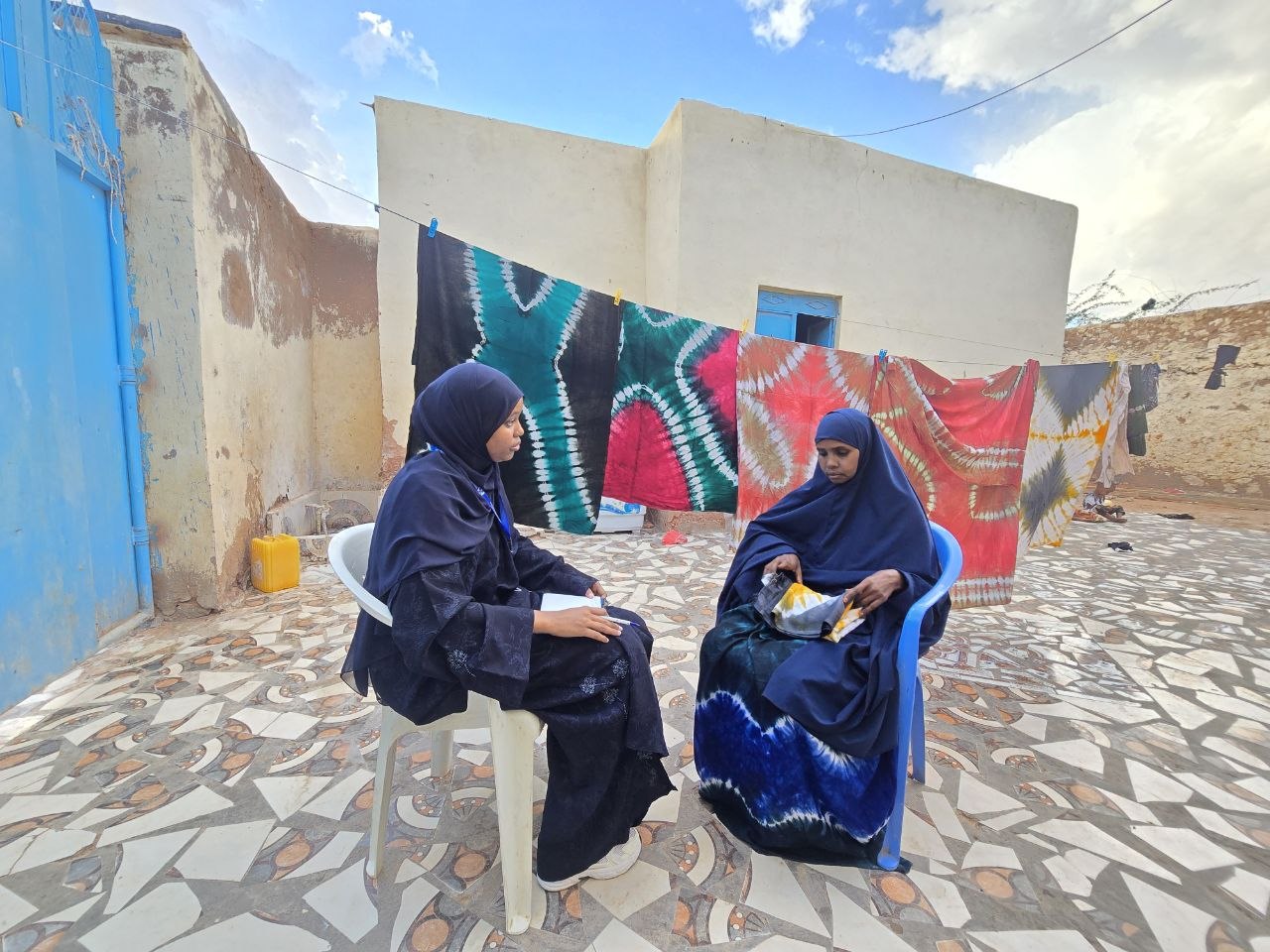
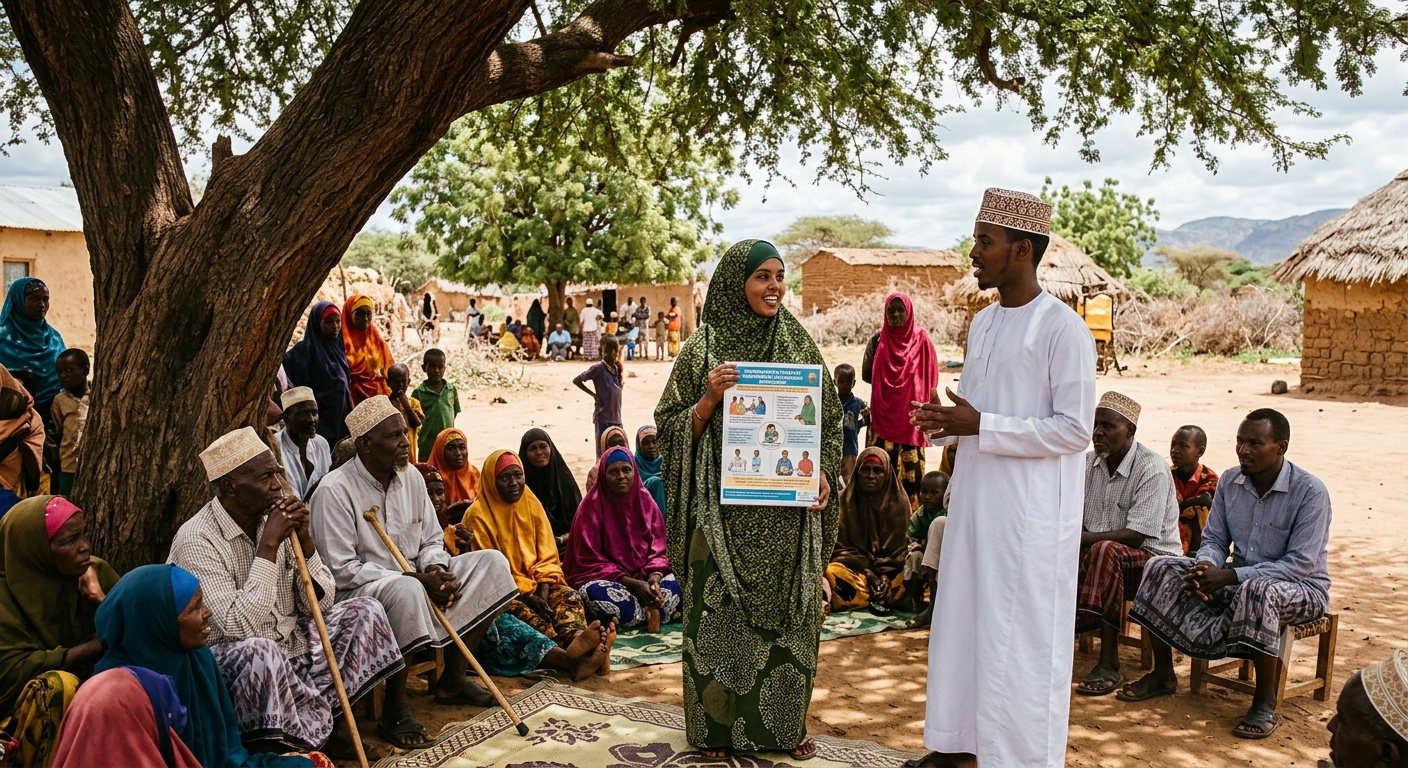
But the intervention didn’t stop at treating Barlin. Health workers sat with Iqra one-on-one, teaching her about breastfeeding and complementary feeding.
She learned to recognize the early warning signs of malnutrition, knowledge she now carries for all five of her children.
She learned, too, how to keep her family safe from waterborne illness in the camp, one more layer of protection in a place where little comes easy.
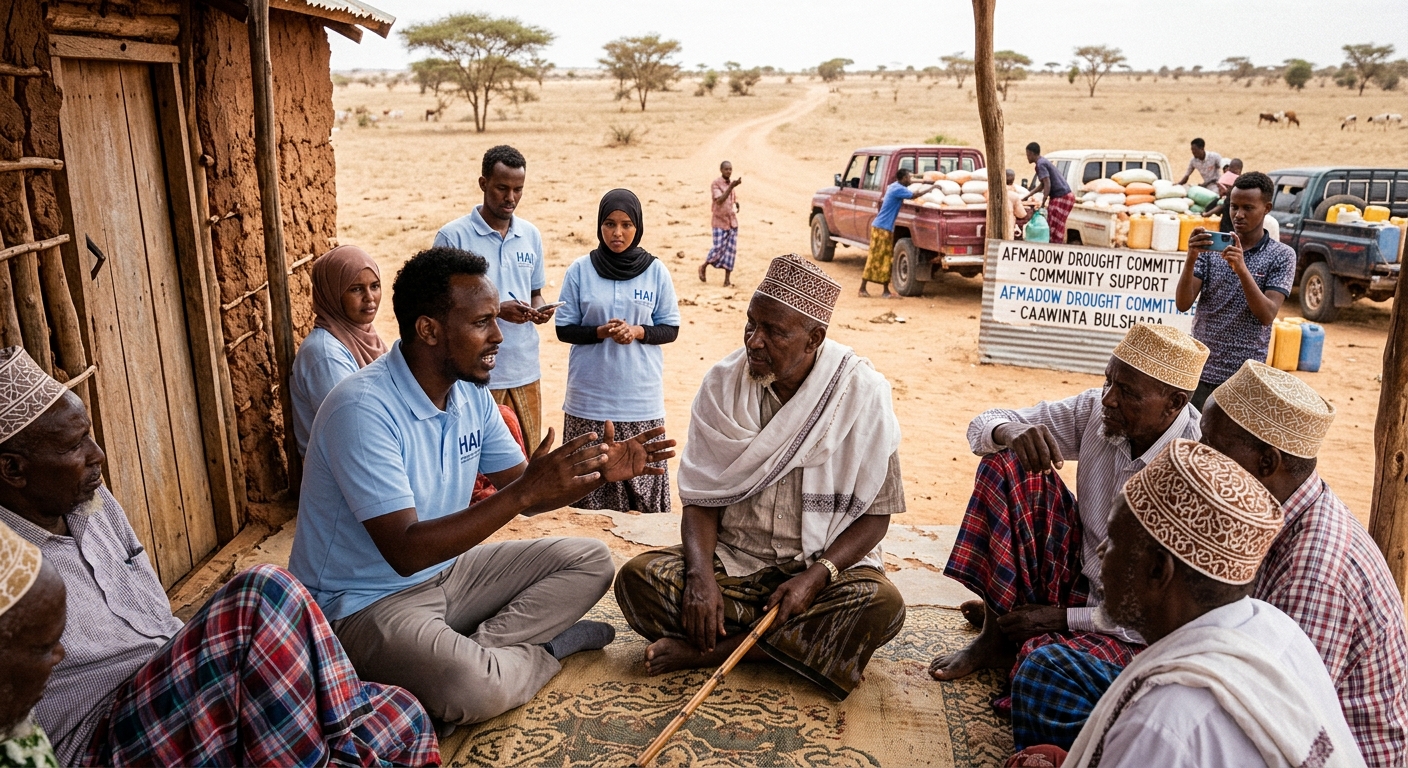
With four consecutive failed rainy seasons behind the country and humanitarian funding under growing strain, stories like Barlin’s depend on sustained support reaching families before crisis takes hold.
The British Embassy Mogadishu funding, through the Caafimaad Plus Consortium, made this care possible.
Iqra arrived in Daynile with nothing left to lose. She leaves each day now with a daughter who smiles, sleeps peacefully, and grows stronger and a mother who knows how to keep her that way.