In the quiet heat of southern Somalia, life moves slowly along the banks of the Juba River. Farmers lead their few remaining cows and goats to the water’s edge, doing everything they can to keep them alive through the drought.
For families in these remote farming villages of Jamame district, health care can feel far out of reach. Drought, high food prices, and years of conflict have cut many families off from basic medical help. According to UN estimates, nearly 1.9 million children across Somalia are facing acute malnutrition this year, and rural clinics often have few staff and limited supplies to meet the need.
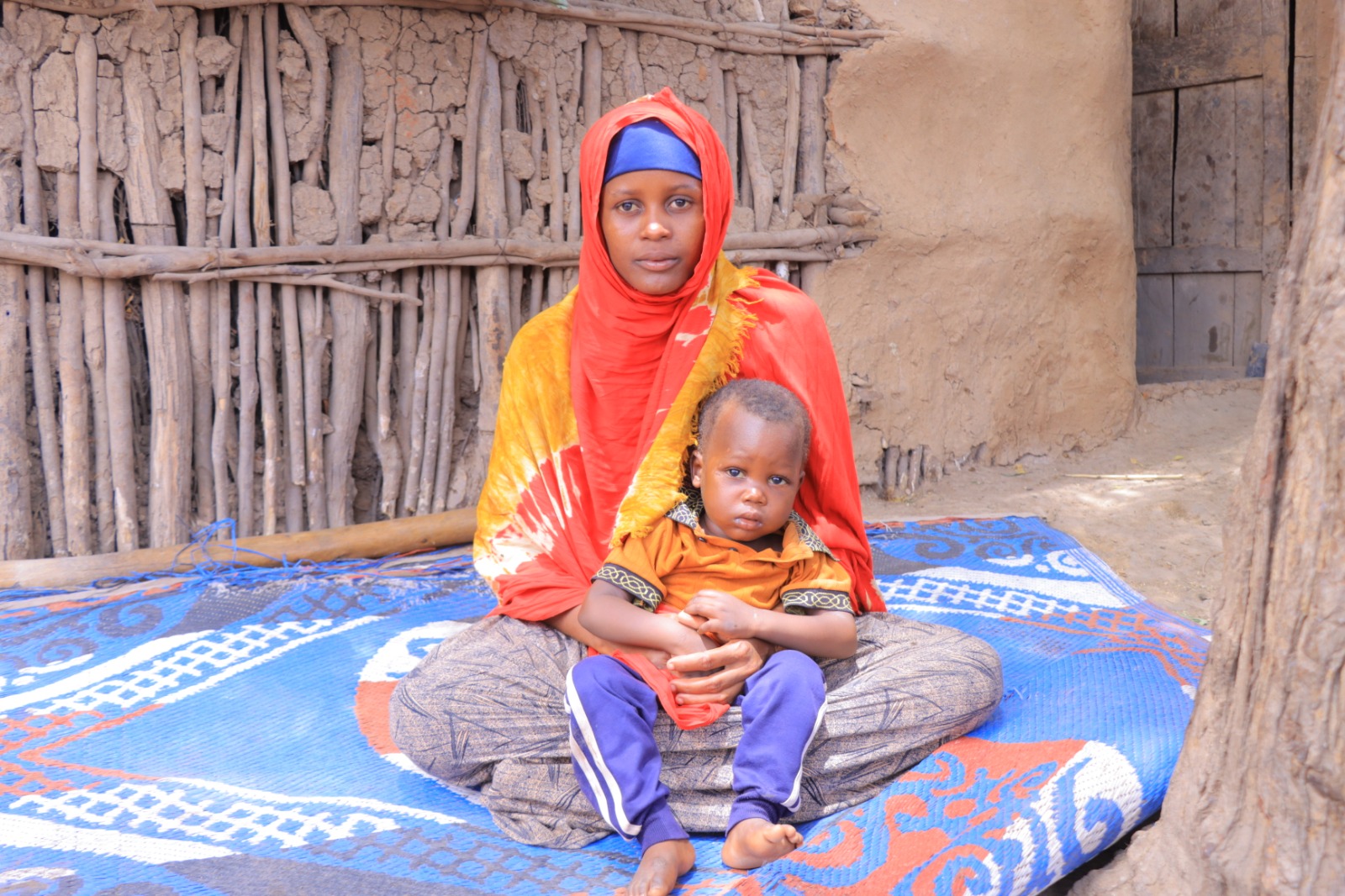
Six kilometers from the nearest health center lives thirty-four-year-old Amino Ahmed. Her one-year-old son, Mohamed, had grown pale and tired, worn down by illness that kept returning. He had little energy left to play like other children his age.
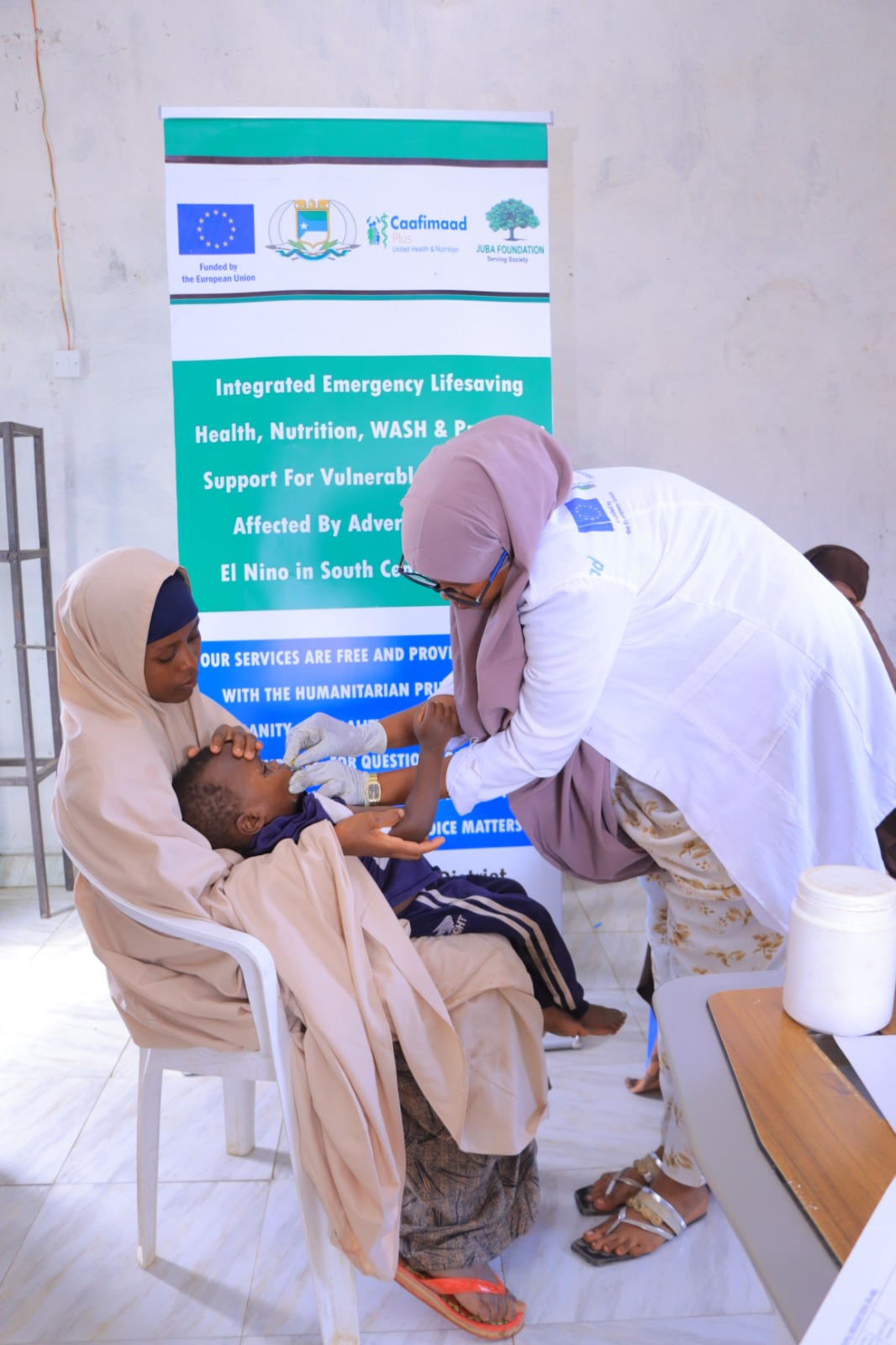
Amino thought her son was simply small for his age. She did not know that his pale skin, his tiredness, and his missed vaccines were warning signs of something far more serious.
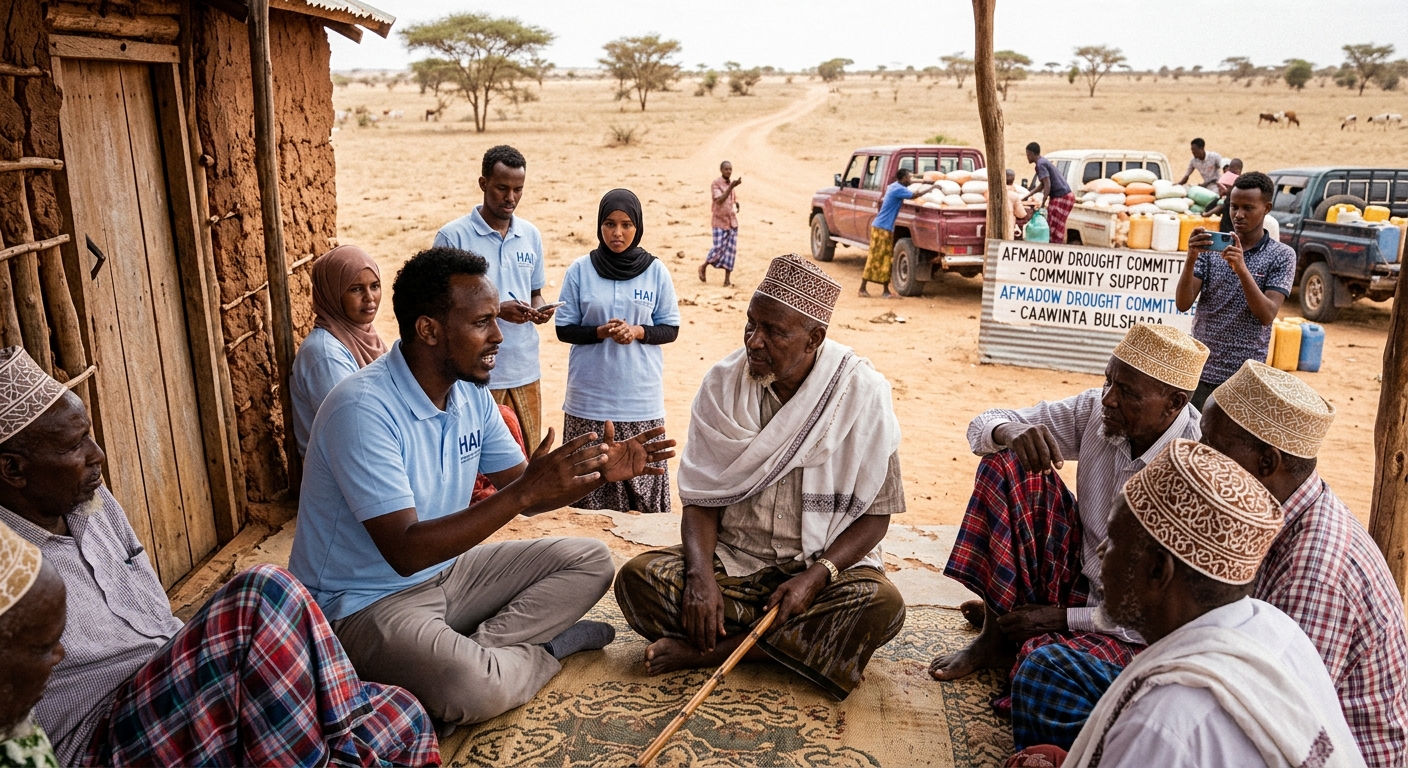
In late July, a community health worker visited their home and checked Mohamed using a simple tool called a MUAC tape, wrapped gently around his upper arm. This tape measures how thin or well-nourished a child is, helping workers quickly spot the signs of malnutrition.
The measurement showed Mohamed needed care right away. The health worker walked with Amino the six kilometers to the Wirkooy Health Center, so her son could get treatment without delay.
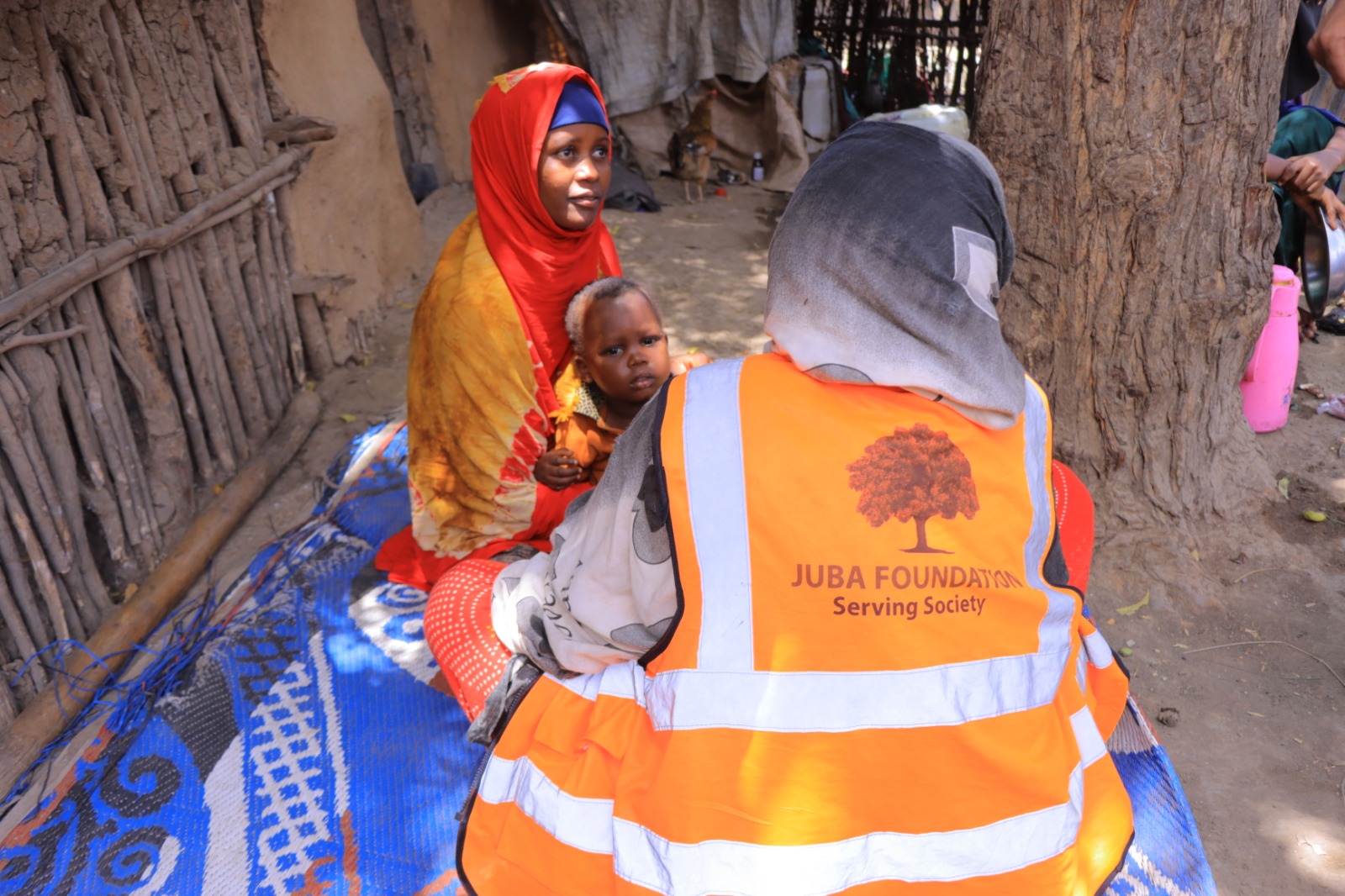
At the clinic, the shaded waiting area offered relief from the heat, helping mothers stay calm as they waited to be seen.
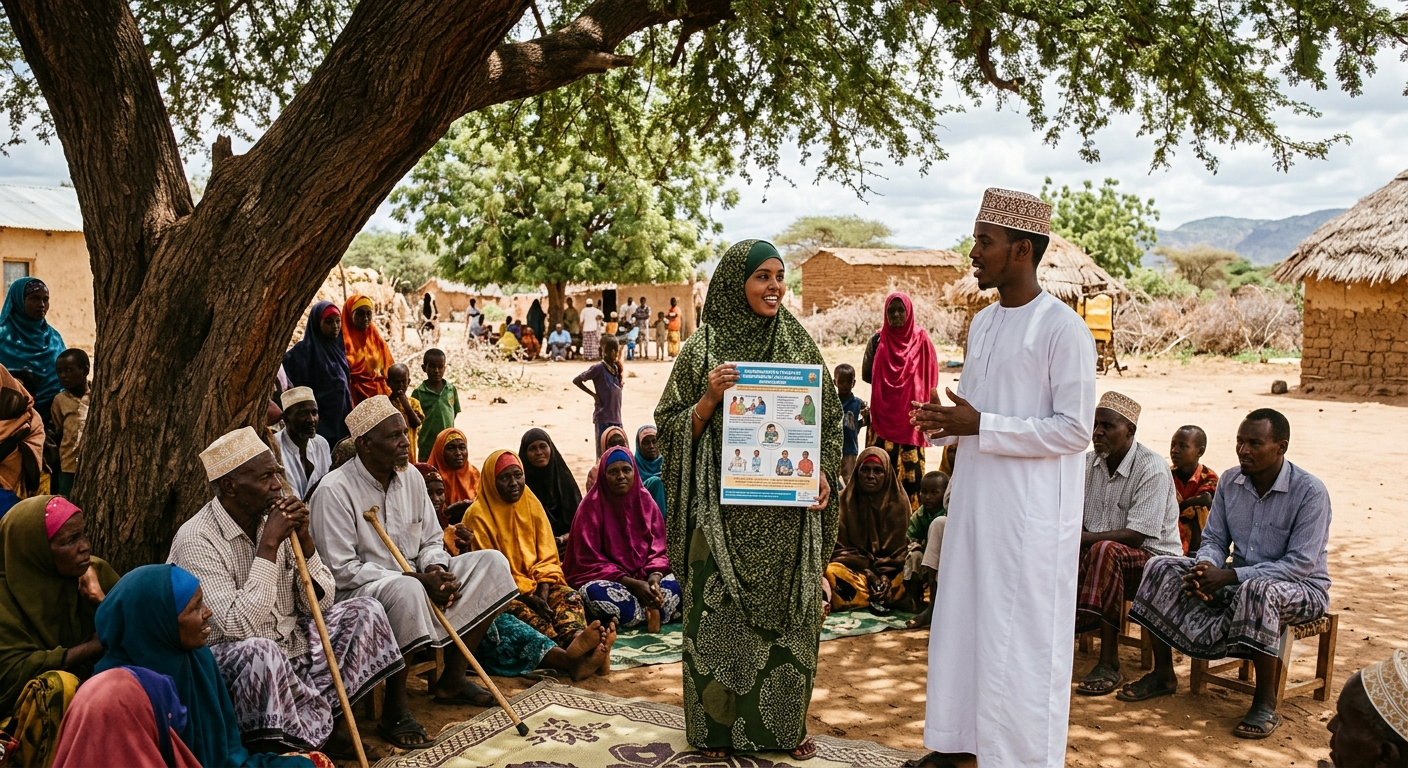
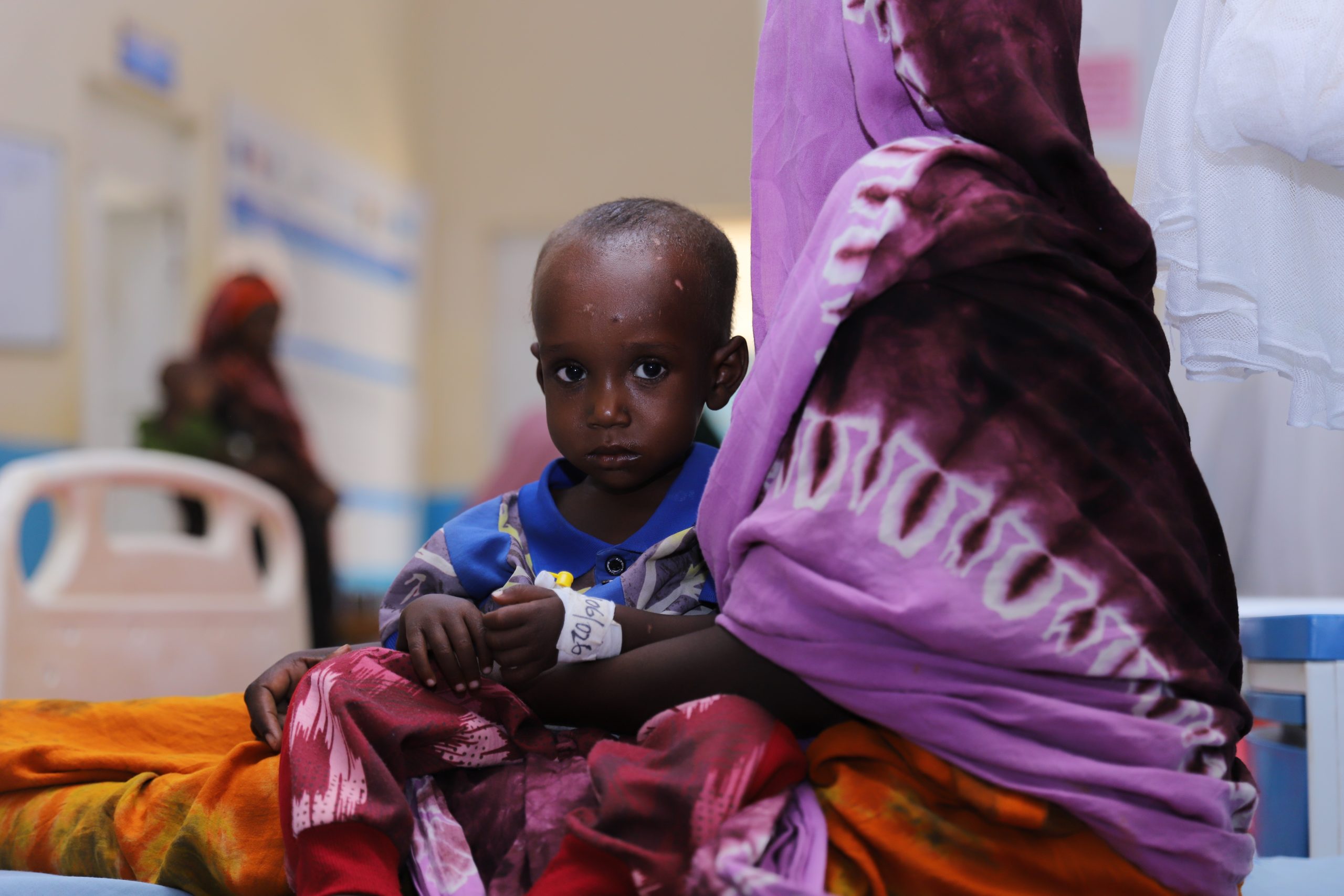
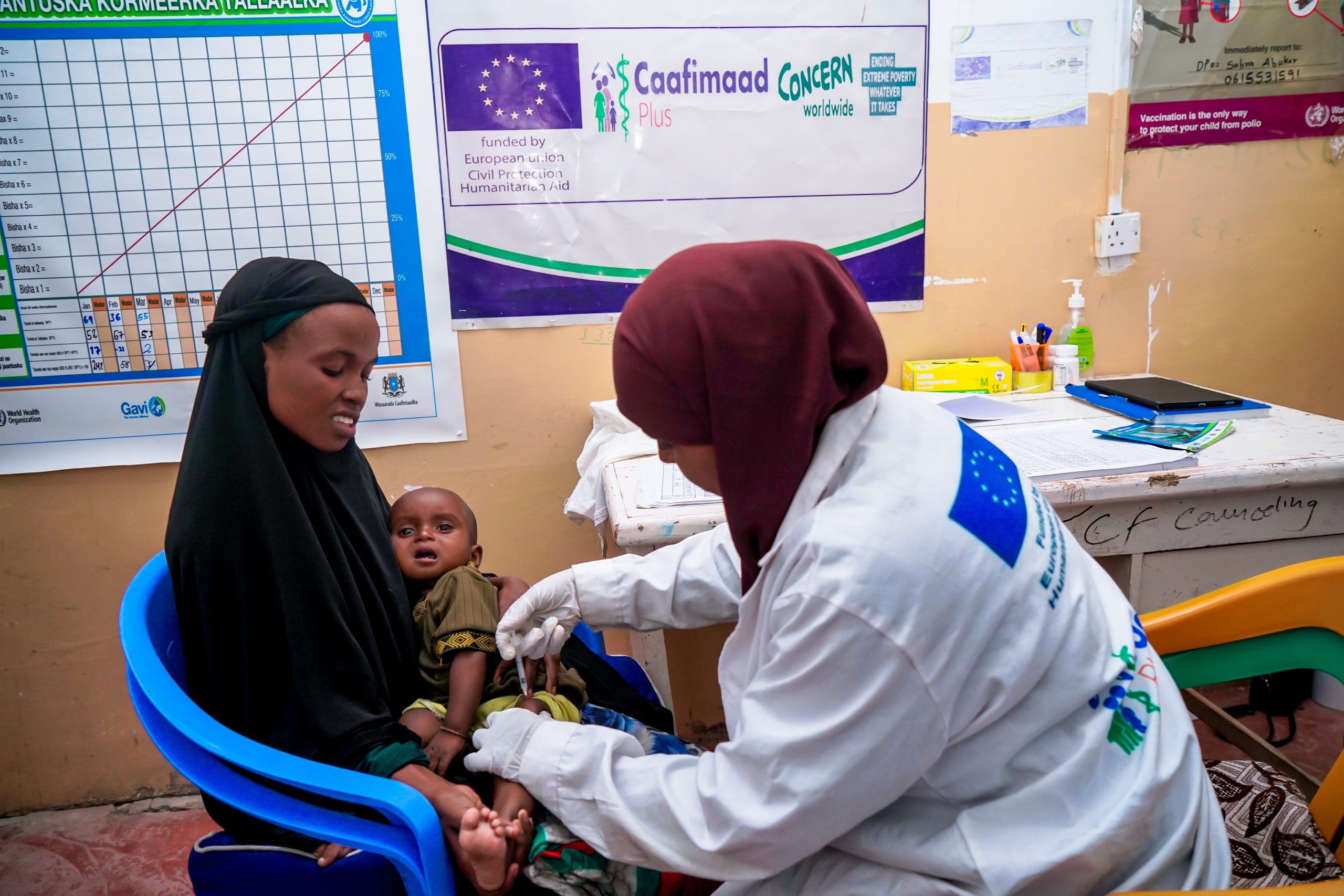
Following a clinical assessment, Mohamed was diagnosed with severe acute malnutrition and anemia. Clinic staff treated him with Ready-to-Use Therapeutic Food to help him regain his strength, and gave him the medical care he needed, including bringing his vaccines up to date. A nurse sat with Amino and used simple picture books to teach her about feeding her son well, keeping water clean, and spotting early signs of illness at home.
“I used to look at him and think there is something keeping him from growing,” Amino shared. “I didn’t realize how sick my little boy really was until they took his arm measurement.”
She smiled gently, wrapping her arms around her son. “When we came to the clinic, the nurses took such good care of us and gave him the therapeutic food paste and medicine. Now he eats well, his stomach is fine, and he has his bright energy back.”
Since then, Amino has kept returning to the clinic for her own checkups, carrying what she learned back to the mothers around her. “I learned how to monitor symptoms of malnutrition and how simple services can change his health, and now I look at my neighbors’ children and advise what they need to do,” she added.
“When mothers bring their children in early, we can treat illnesses before they turn dangerous,” explained Zaynab Muse Jama, a nurse at the Wirkooy facility. “This center is saving young lives every day and giving our community a real chance to rebuild.”
Finding problems early, at the community level, means children like Mohamed get help before their illness becomes severe. This is a key reason why funding for early detection and nearby clinics matters so much.
The Wirkooy Health Center is run by the Juba Foundation, a member of the CaafimaadPlus Consortium, with funding from EU Humanitarian Aid supporting daily operations and supplies.
The clinic is part of a larger effort by the CaafimaadPlus Consortium to reach families in hard-to-reach places before malnutrition and preventable illness take hold. Caafimaad+ combines early detection in communities with treatment at the clinic, this approach is helping reduce child deaths and improve health for families across South-Central Somalia.