Keeping Healthcare Within Reach: Inside Garasbaley Health Centre, Mogadishu
Home»News & Stories»
Keeping Healthcare Within Reach: Inside Garasbaley Health Centre, Mogadishu
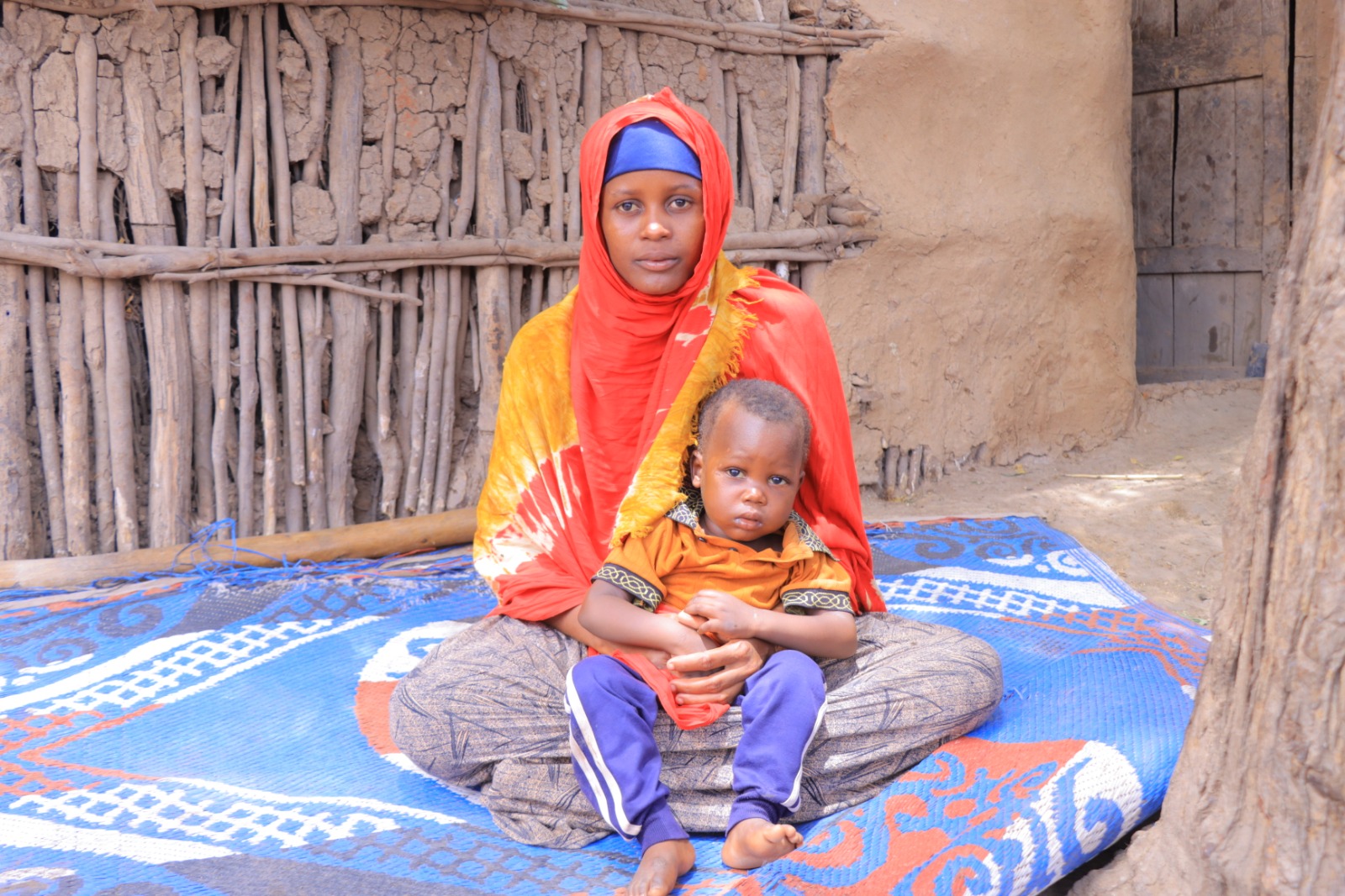
Fardowsa, 31, walked nearly five kilometers from Elasha Biyaha to Garasbaley Health Center in Mogadishu with her 11-month-old daughter. The child was due for a routine vaccination, but the family could not afford the transport fare.
She was not alone. Fardowsa joined a group of mothers making the same journey after nearby health facilities closed.
For families who cannot afford transport, the loss of a nearby health facility can turn a routine visit into a long walk. For those seeking care for sick children, the distance can become an even greater barrier.
“We walked together in a group of mothers to reach here.”
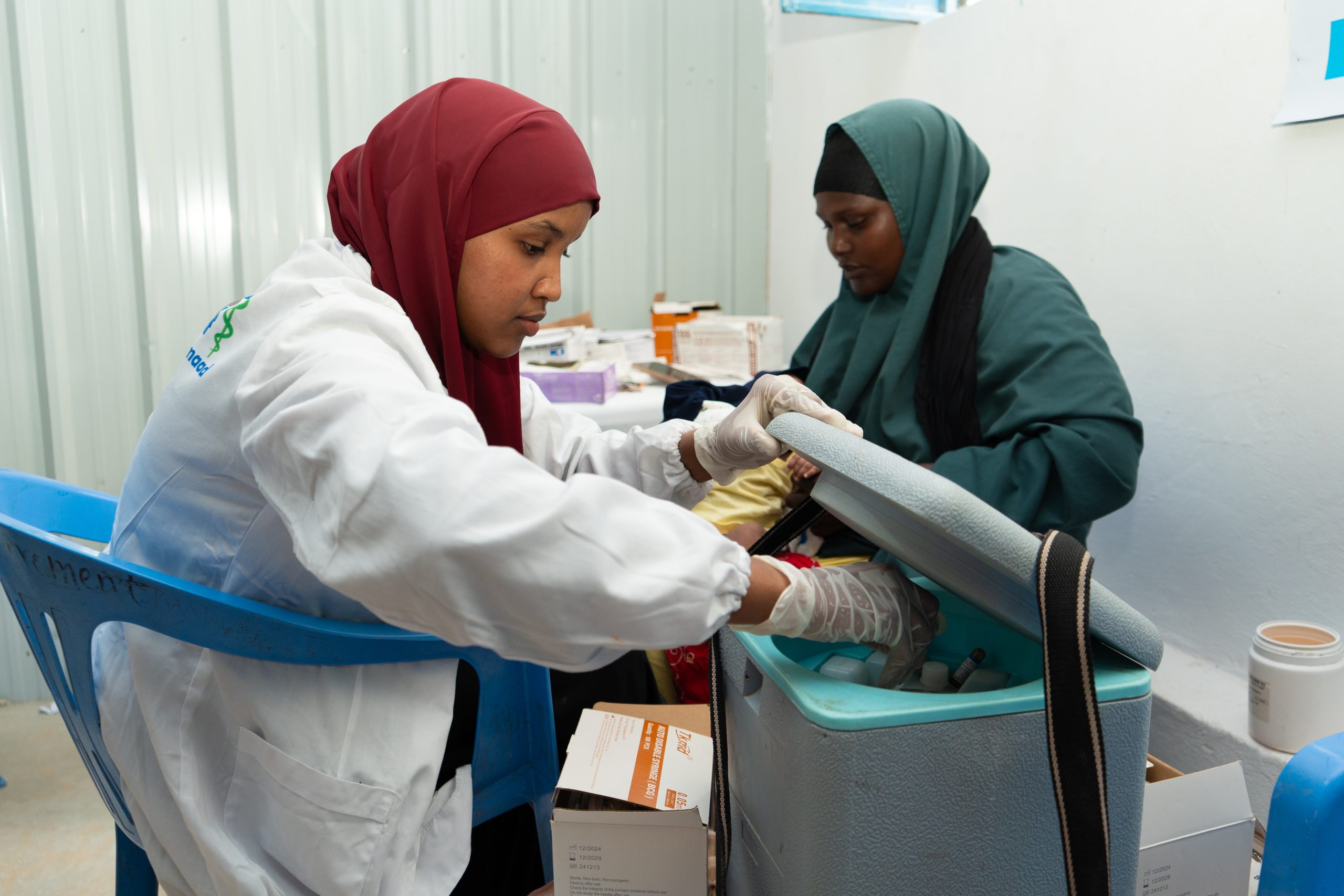
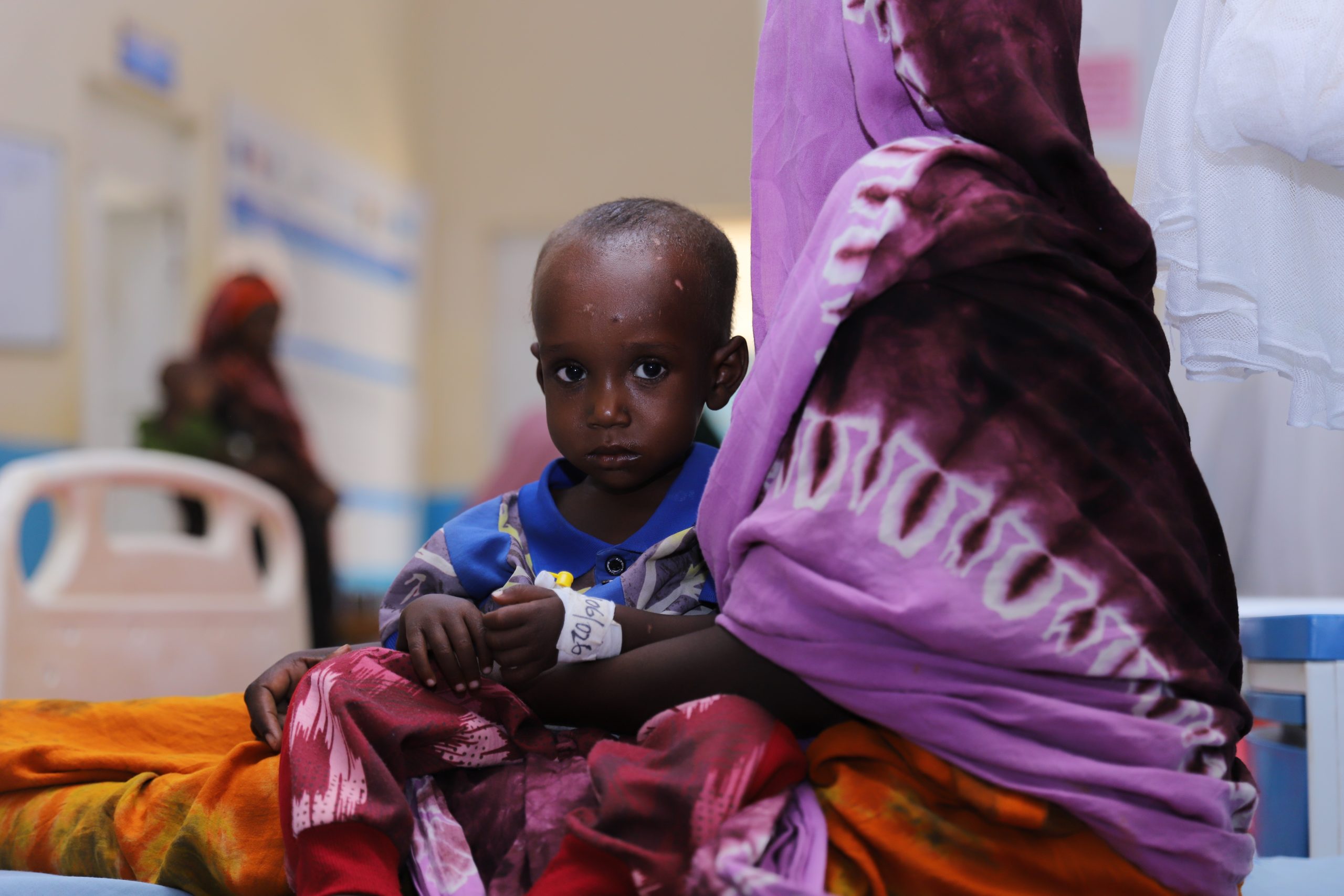
Fardowsa holds her 11-month-old daughter as a health worker prepares her routine immunisation at the SOS-supported Garasbaley Health Centre in Mogadishu.
Fardowsa holds her 11-month-old daughter as a health worker prepares her routine immunization at the SOS-supported Garasbaley Health Center in Mogadishu.
Fardowsa, a mother of three, lives in Elasha Biyaha in Afgooye District. When her daughter was due for routine immunization, she could not afford the transport fare to Garasbaley Health Center.
“Before, there were several small health facilities around us,” said Fardowsa. “They have been closed for more than a year now. I could not afford the transportation to get here, so I joined other women and walked together to reach here.”
For families who cannot afford transport, the closure of a nearby health facility changes what should be a routine healthcare visit into a journey of several kilometers.
A growing pressure on one health center
Garasbaley, on the outskirts of Mogadishu, is home to large numbers of displaced families, including people who have been forced to leave informal settlements elsewhere in the city. As more families arrive and nearby health services become less available, demand on the remaining facilities is increasing.
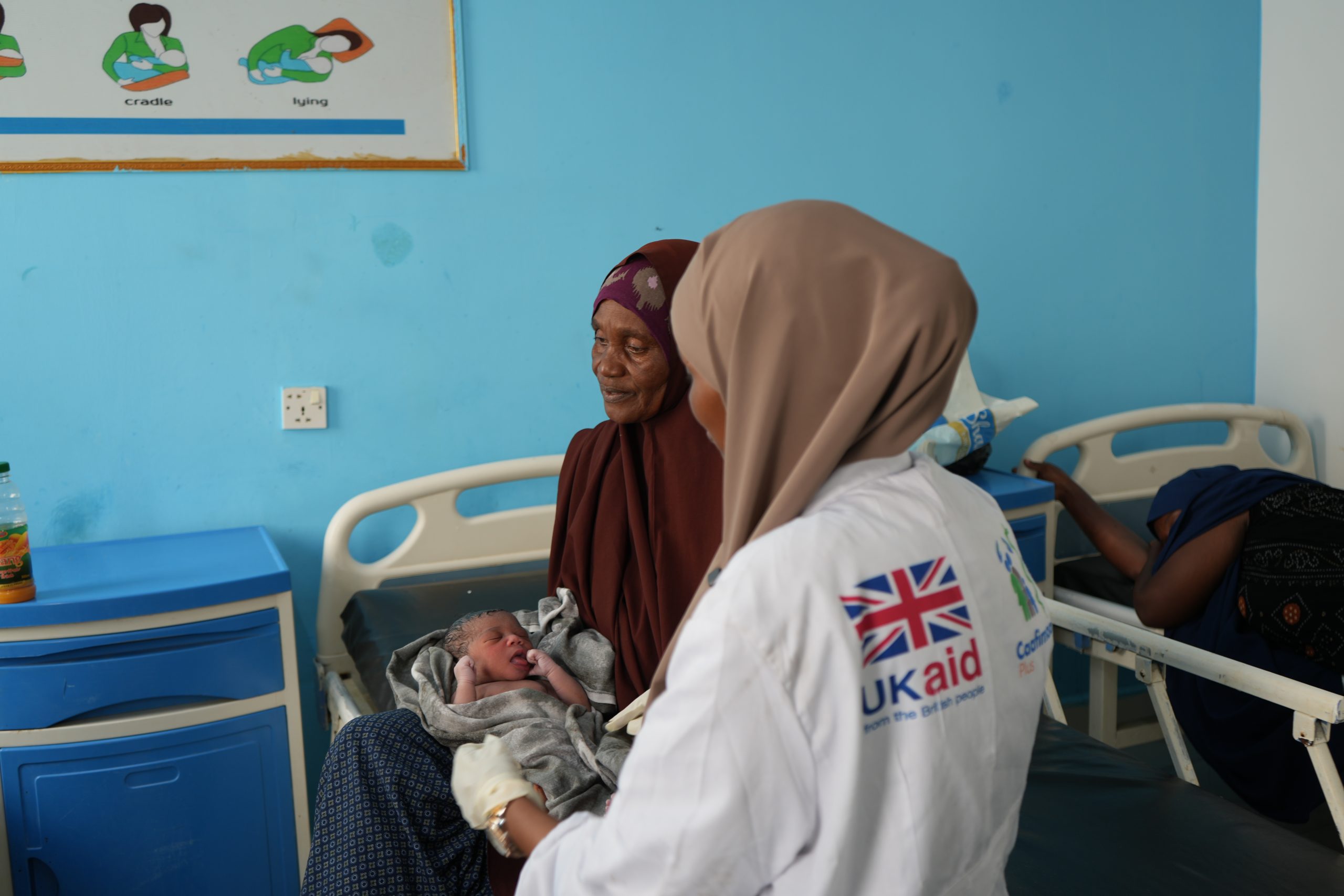
Dr Muna Issack, the Garasbaley Health Center In-Charge, checks a newborn delivered minutes earlier at the SOS-supported Garasbaley Health Center in Mogadishu.
“The number of people coming to this facility for healthcare has grown substantially,” said Dr Muna Issack, the Garasbaley Health Center In-Charge. “Previously, we used to receive about 200 patients per day. Over the past three months, we have seen people displaced by conflict, such as those from Baidoa and Basra towns, seeking assistance here.”
“For the last few months, we have been treating more than 300 patients per day. That means we stay late to attend to each of these mothers and children.”
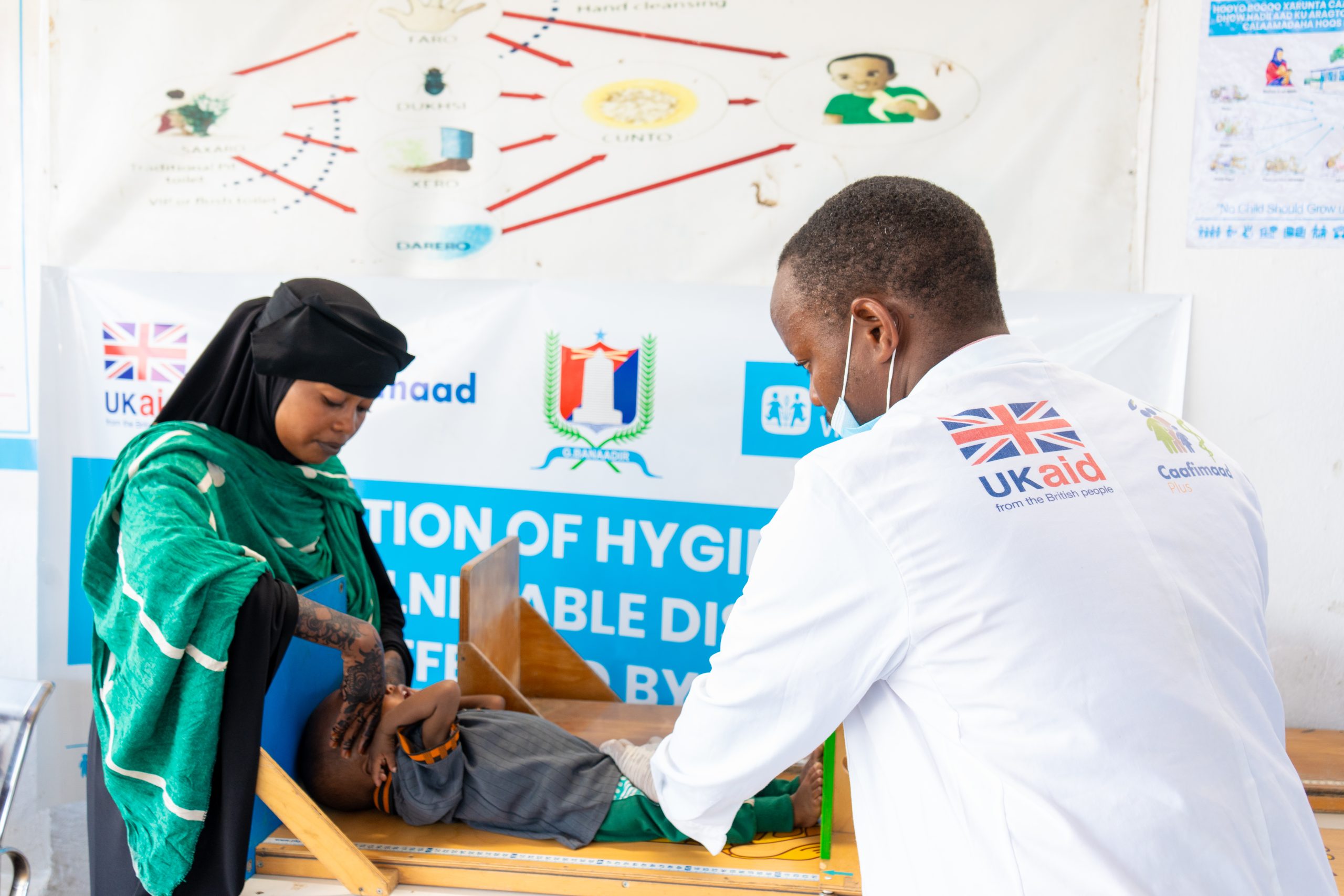
Between April and August 2026, the center registered 41,000 patient visits. Services include maternal and child healthcare, nutrition and psychosocial support.
The increase in attendance reflects the pressure placed on facilities that remain open when fewer health services are available elsewhere. As families travel farther for care, the facilities they reach must serve more people.
“I left home early in the morning so I could make it here in good time.”
Fadumo Iftin, 27, a mother of four, lives in Talowadaag IDP Camp on the outskirts of Garasbaley District. Her two-year-old son had been unwell for three weeks. With no health center nearby, she tried other options before deciding to travel to Garasbaley.
“My son was unwell for three weeks. There is no health center around us. I tried a traditional herb seller, but it didn’t work,” said Fadumo. “Last night, he was in pain, so we didn’t sleep.”
Fadumo could not afford transport. She left home early in the morning carrying her son and walked through several informal settlements to reach the health center.
“I didn’t have the fare, so I walked early in the morning to make it here in good time. A neighbour had told me about the facility. It took us two hours to reach here,” she said.
Keeping essential healthcare within reach
For Fardowsa and Fadumo, Garasbaley Health Center remains within reach. But their journeys show how quickly access to healthcare can change when nearby services close and families cannot afford transport.
With support from the British Embassy Mogadishu through the CaafimaadPlus Consortium, Garasbaley Health Center continues to provide maternal and child healthcare, nutrition and other essential services to families in and around the district.
The UK’s multi-year support, worth £15 million and covering 2026 to 2029, is helping CaafimaadPlus and its partners maintain essential services as needs change and pressure on health facilities increases.
An additional £2.5 million in UK funding will enable the consortium to scale up its response as El Niño-related climate pressures add to the needs of communities already affected by conflict, displacement and limited access to basic services. The additional support will help extend health, nutrition, water, sanitation and hygiene services to areas where needs are increasing, while allowing mobile teams and other services to respond as conditions change.
For communities facing repeated climate shocks alongside conflict and displacement, this type of flexible funding can help keep essential services available when they are needed most. It can support the continuation of health and nutrition services, improve access to safe water and sanitation, and allow humanitarian teams to reach communities where needs are changing rapidly.
For Fardowsa, that support means being able to vaccinate her daughter. For Fadumo, it means having somewhere to take her son when he is sick.
But their journeys also show what happens when healthcare moves farther away. For families who cannot afford transport, keeping an essential health service available can determine whether care is within reach at all.
Facebook
Twitter
LinkedIn
Contact information
Along Airport Road, Wadajir District, Mogadishu Somalia
Fardowsa, 31, walked nearly five kilometers from Elasha Biyaha to Garasbaley Health Center in Mogadishu with her 11-month-old daughter. The child was due for a
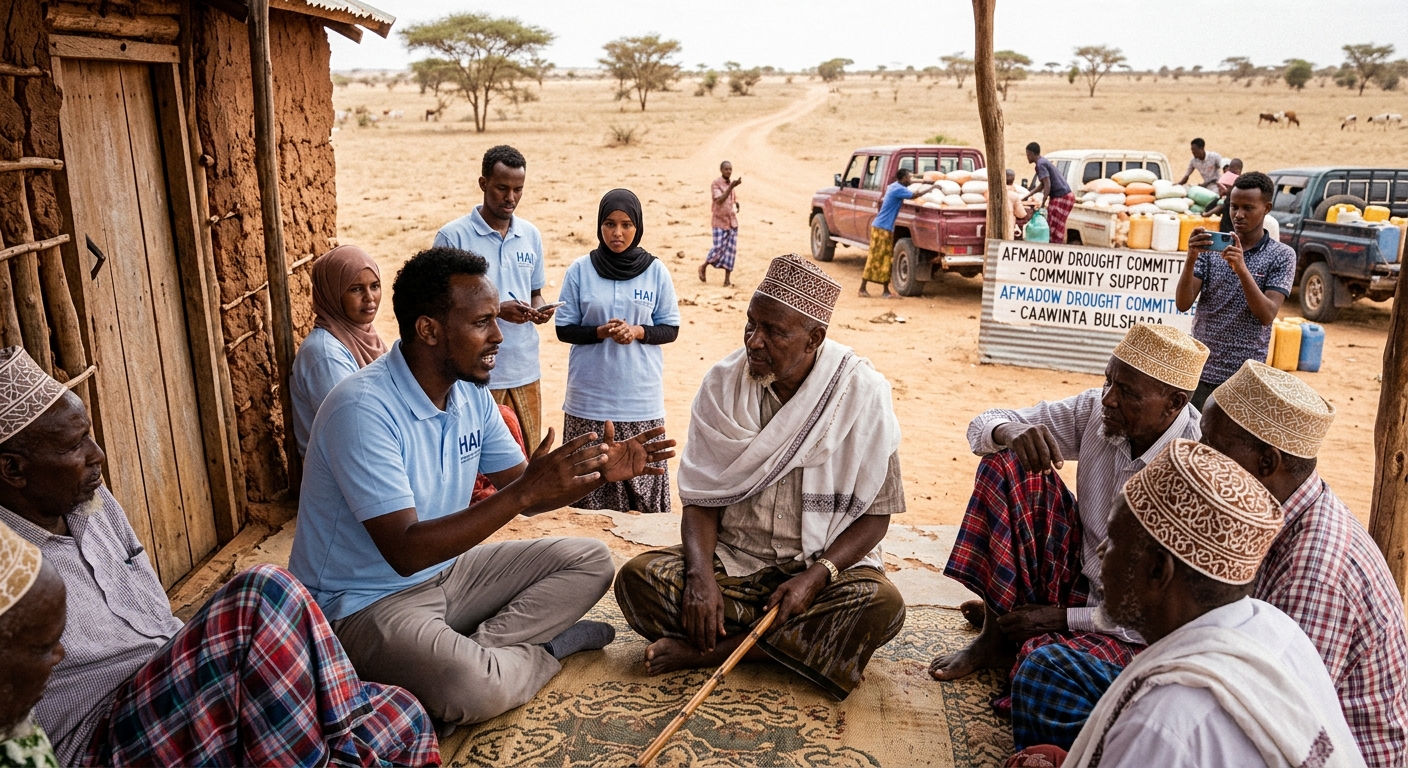
Humanitarian Access Initiative (HAI) community facilitator with Juba Foundation, Ahmed, tells of how communities in Afmadow district helped nearly 800 families during the 2026 drought:
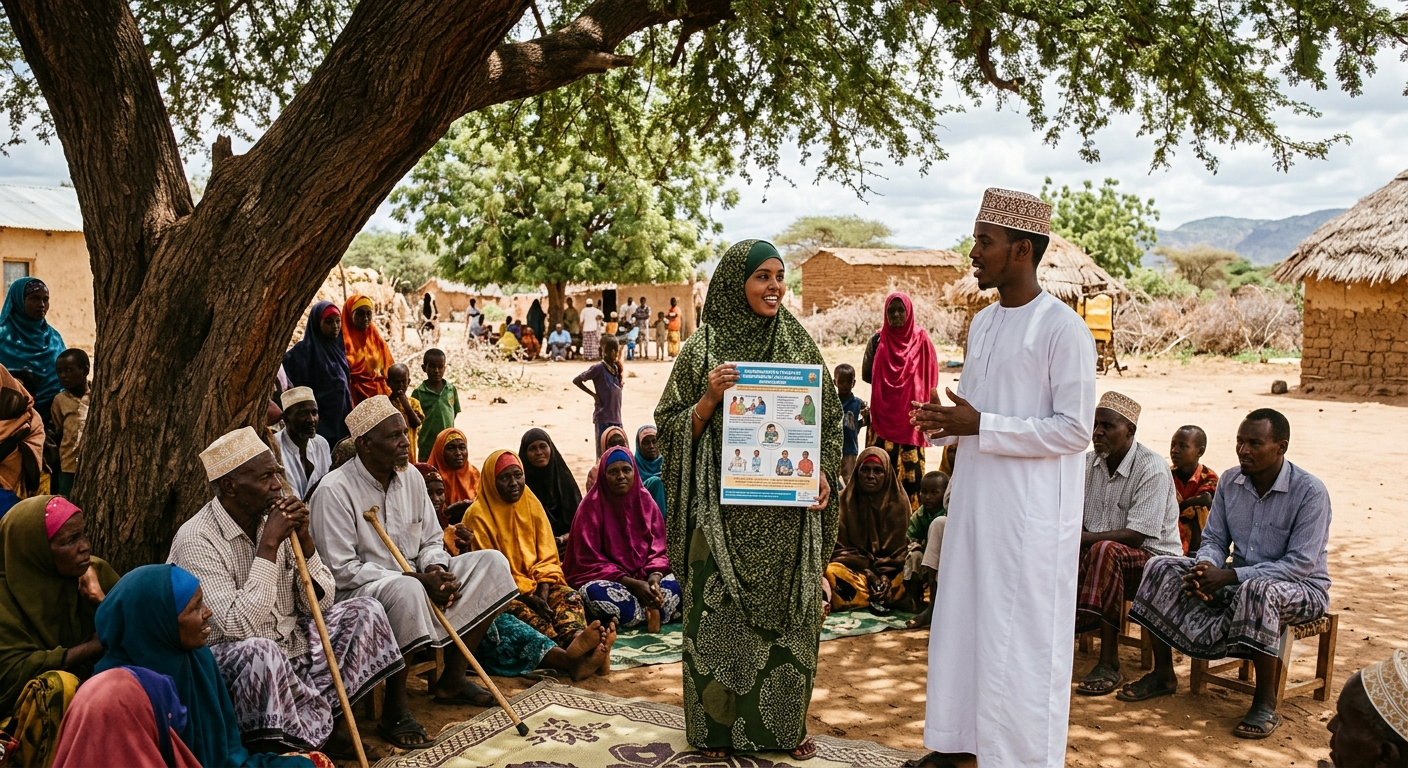
At Caafimaad+, we believe that meaningful humanitarian action starts with listening — really listening, to the people we work alongside every day. Communities are not
Emergency response combines vaccination, malnutrition screening and Vitamin A supplementation as measles cases rise across Bakool region Hudur, 09 May— The CaafimaadPlus Consortium has launched