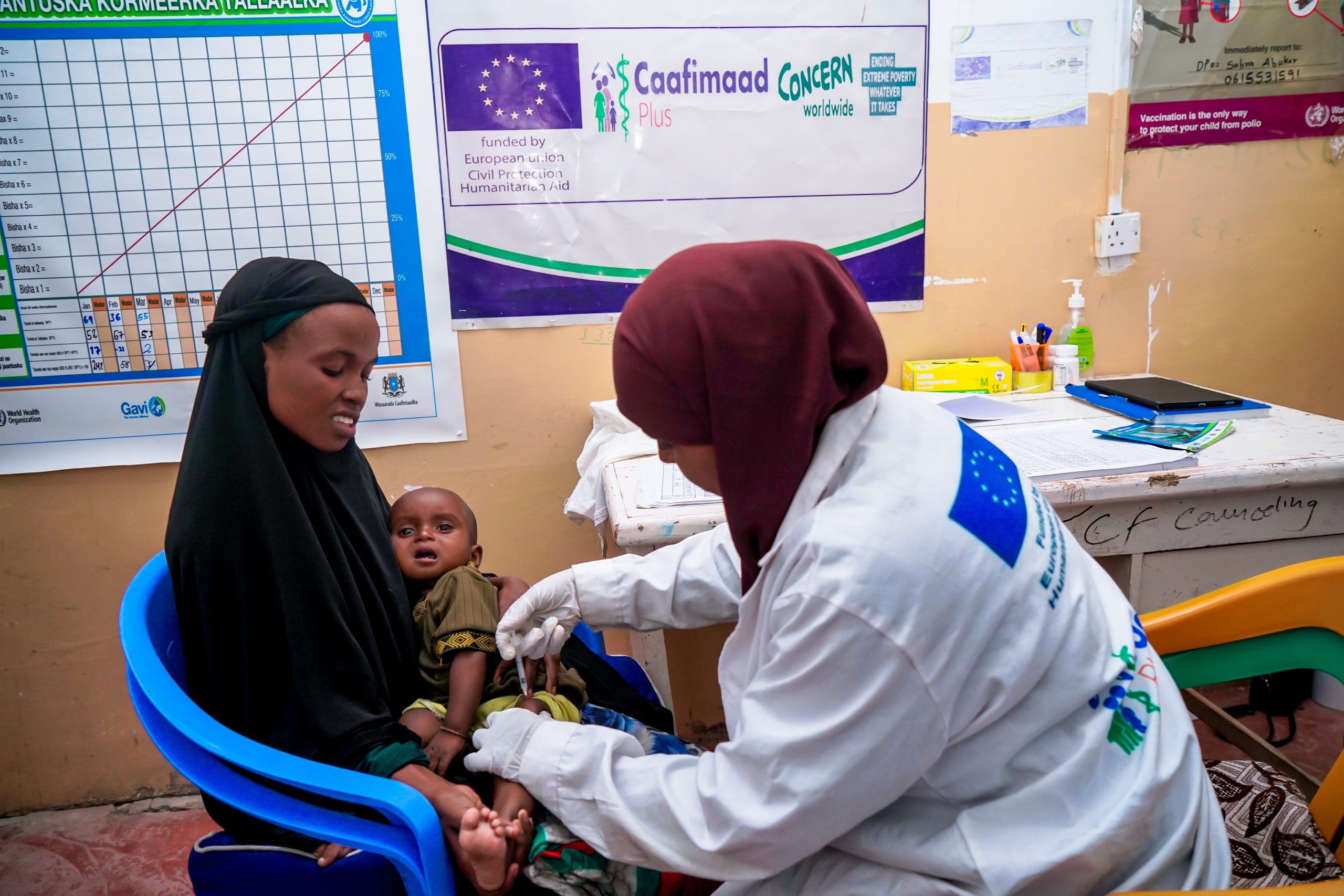
At Caafimaad+, we believe that meaningful humanitarian action starts with listening — really listening, to the people we work alongside every day. Communities are not just recipients of aid; they are partners, and their voices must shape the systems that are meant to serve them.
That is why Caafimaad+ supports community facilitators in bringing their voices directly to donors and OCHA at the recent meeting on the 2027 Somalia Humanitarian Needs and Response Plan (HNRP) in Nairobi. The statement they shared was honest, grounded, and important and we believe it deserves a wider audience.
Who Are the Community Facilitators?
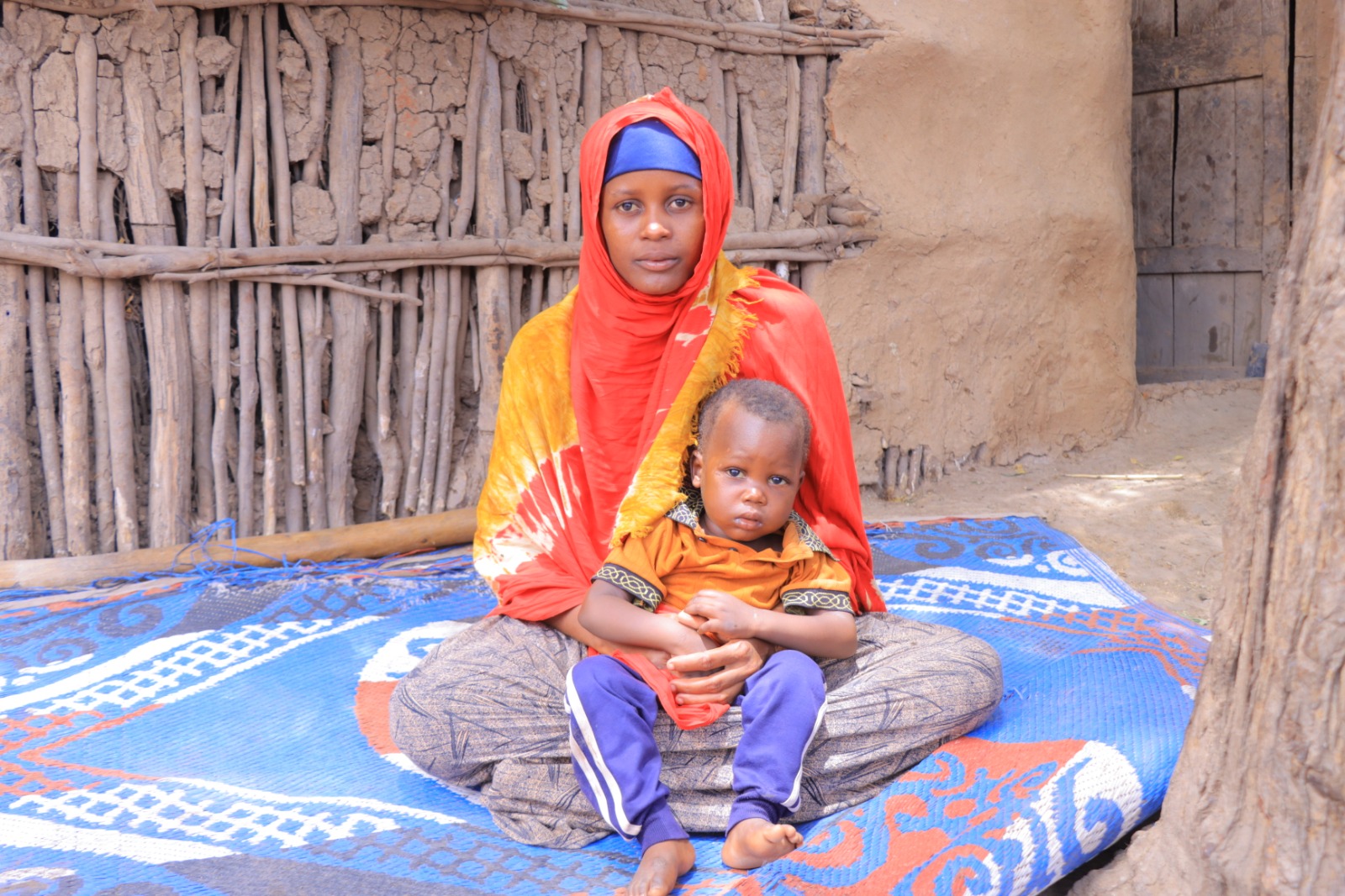
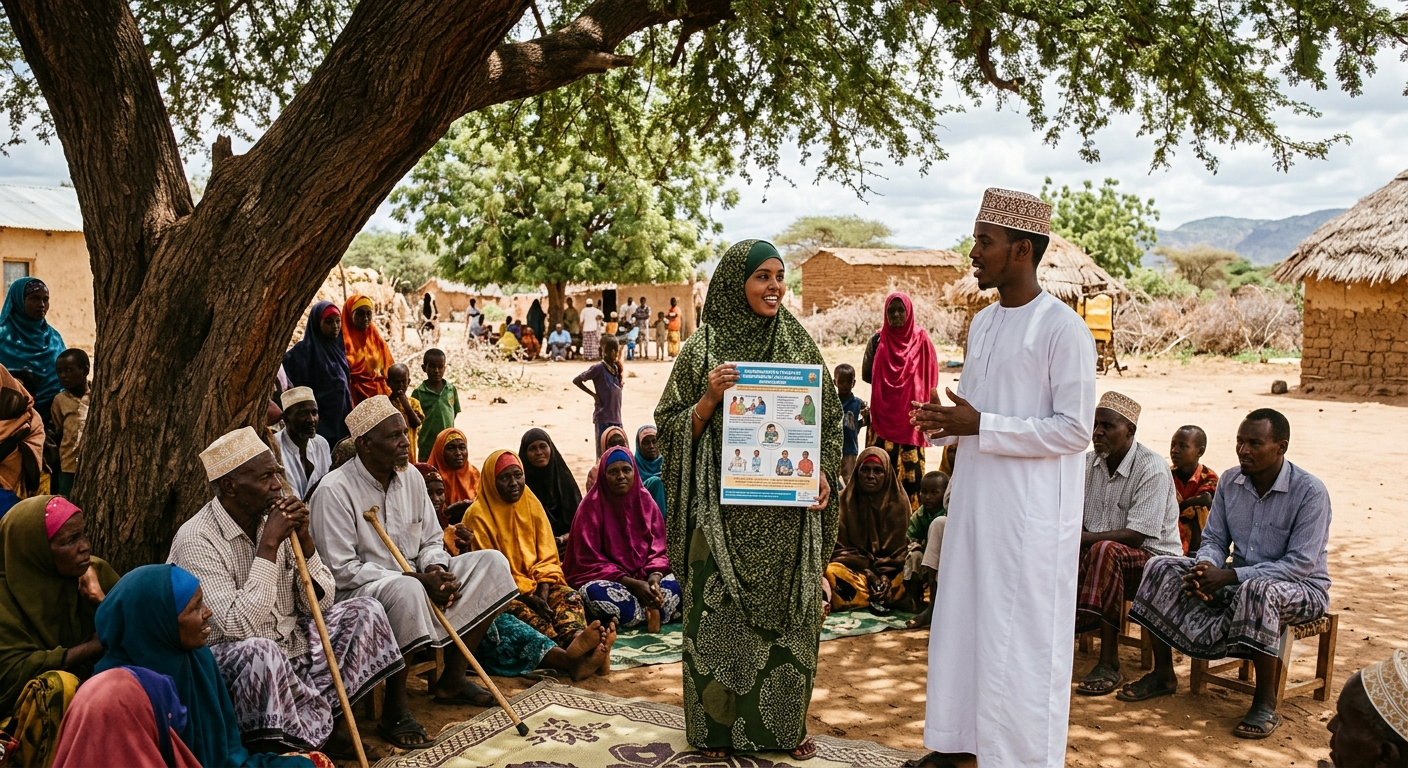
The community facilitators are not outsiders. They are people from within the communities themselves trusted members who live the same realities as the people they speak with.
They are part of the Humanitarian Access Initiative (HAI), an operational research programme led jointly by the Institute of Development Studies (IDS) at the University of Sussex and the Caafimaad+ Consortium, with funding from EU Humanitarian Aid. HAI was designed with a simple but powerful premise: that communities have the knowledge, and the humanitarian system needs to listen better.
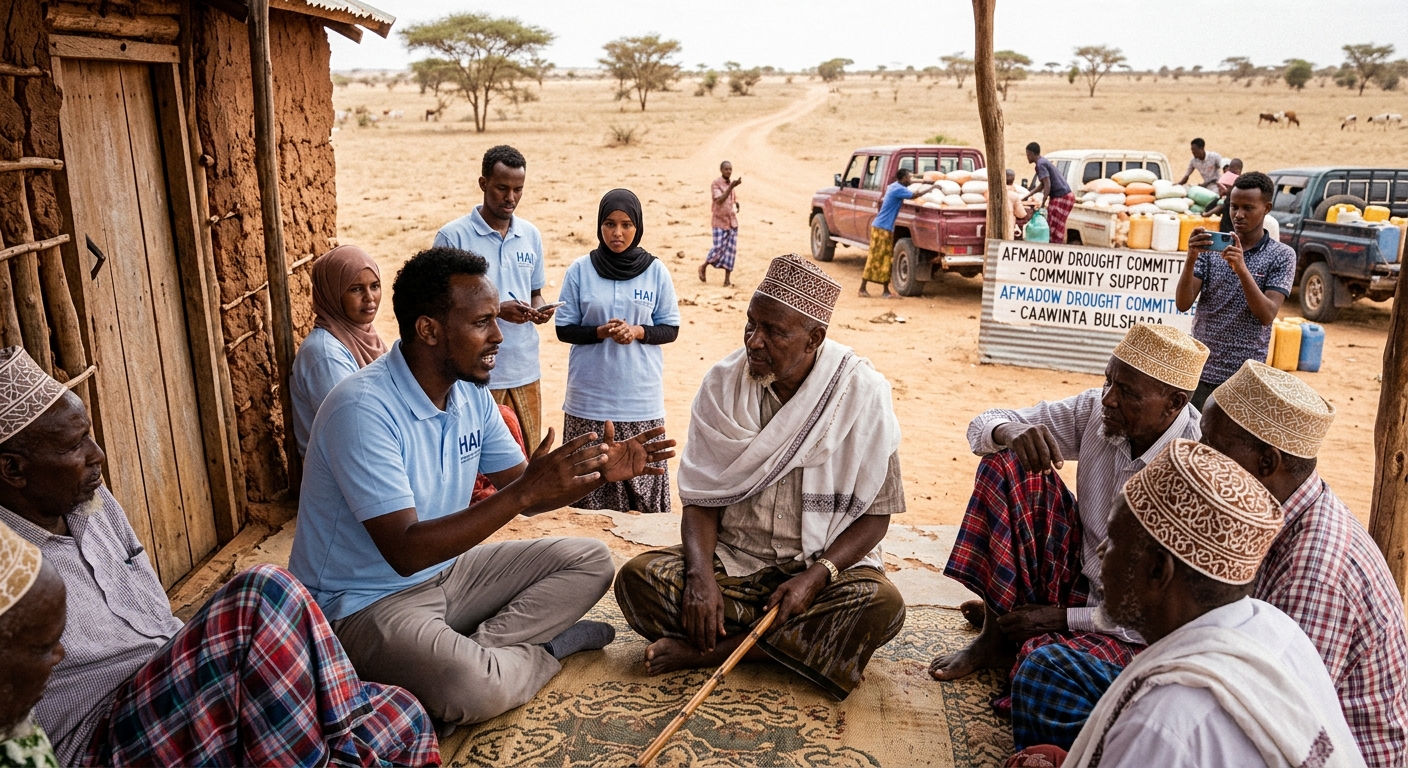
The facilitators sit with communities, hold conversations, and gather stories not data points, but real human experiences that reflect what people need, what they trust, and how they want to be engaged. These learnings are not shelved as research. They are actively fed back into Caafimaad+ programmes, shaping how the consortium works and ensuring that community priorities drive humanitarian response on the ground.
This approach is at the heart of the broader humanitarian reset — a growing global movement to fundamentally change the way humanitarian action is designed and delivered, putting communities at the centre rather than at the end of the process.
What Communities Are Saying
At the HNRP meeting, the community facilitator group shared a statement drawn from their regular, ongoing conversations with communities across Somalia. Their message was clear: communities want to engage but they want engagement to happen differently.
The statement challenges approaches where interaction becomes little more than a process of forms and questions, with little room for real listening or relationship-building. It calls instead for conversations that are shaped with communities, held in spaces people trust, and carried through the leaders, structures, and forums that communities already know and value.
Community Facilitator Statement
As someone who works closely with communities regularly, my role is to listen and understand what communities are saying, what they are feeling, and how they would like to engage with the systems that are meant to support them, including the ABCs.
What we are hearing very clearly is that communities are willing and even interested in engaging with ABCs, but they want that engagement to happen differently.
They want ABC members to move beyond office settings and urban centres and come to meet them in their own communities, in their own spaces, where trust can be built and where conversations can happen more openly and honestly.
Many community members have shared that they are tired of approaches that feel one-sided, where people come with forms and questions, asking about needs and gaps, but without really taking time to listen or build relationships. Some have described it as feeling more like being interrogated than being genuinely engaged.
What they are asking for is something more respectful and meaningful: an opportunity to host and invite ABCs into their communities through their own trusted leaders and structures so that discussions can happen in a way that feels transparent, accountable, and grounded in mutual trust.
Of course, we understand that reaching every community directly is not always easy, and communities themselves recognize this. That is why many are emphasizing the importance of trusted local representatives, existing community structures, and forums that can help connect broader community voices to the ABCs.
Yusuf Abdi, Community facilitator
A Path Forward
As facilitators, we are still learning alongside the communities, and we do not claim to have all the answers yet. But what is becoming increasingly clear is that if we want stronger accountability and better relationships, the way forward must be shaped by communities themselves, by listening carefully to them and supporting the kind of engagement they trust and value.
At Caafimaad+, we are committed to walking that path together. Through the Humanitarian Access Initiative, we are turning that commitment into practice.