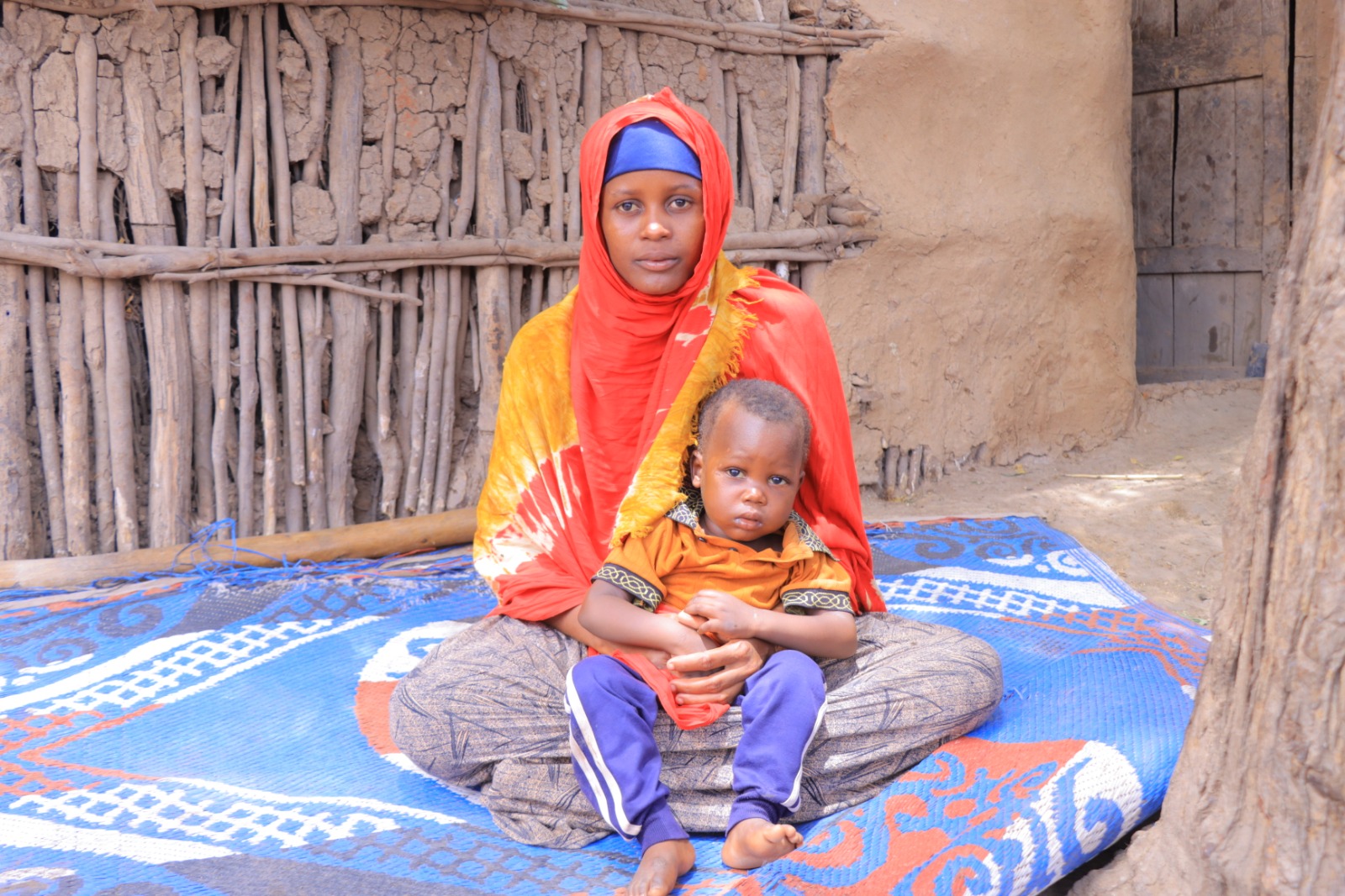
Before dawn, Fadumo Hassan lifted her three-year-old son onto a neighbour’s donkey cart and began moving toward a city she knew only by name.
Salim had been fading for days. His feet were swollen, his fever persistent, his body growing quieter in ways that frightened her. Fadumo was seven months pregnant. There was no clinic nearby the nearest help was 30 kilometres east, across dry, broken terrain. She had no other options. She left.
“That morning, I was not sure Salim would make it to the hospital,” she says. “He could hardly move any part of his body.”
It took a full day. When they finally reached Baidoa City, Fadumo didn’t know where the hospital was. She asked. People pointed her toward a building almost everyone in the city knows by one name, SOS Hospital, the Baidoa District Hospital, supported by SOS Children’s Villages and funded by EU Humanitarian Aid through the CaafimaadPlus Consortium.
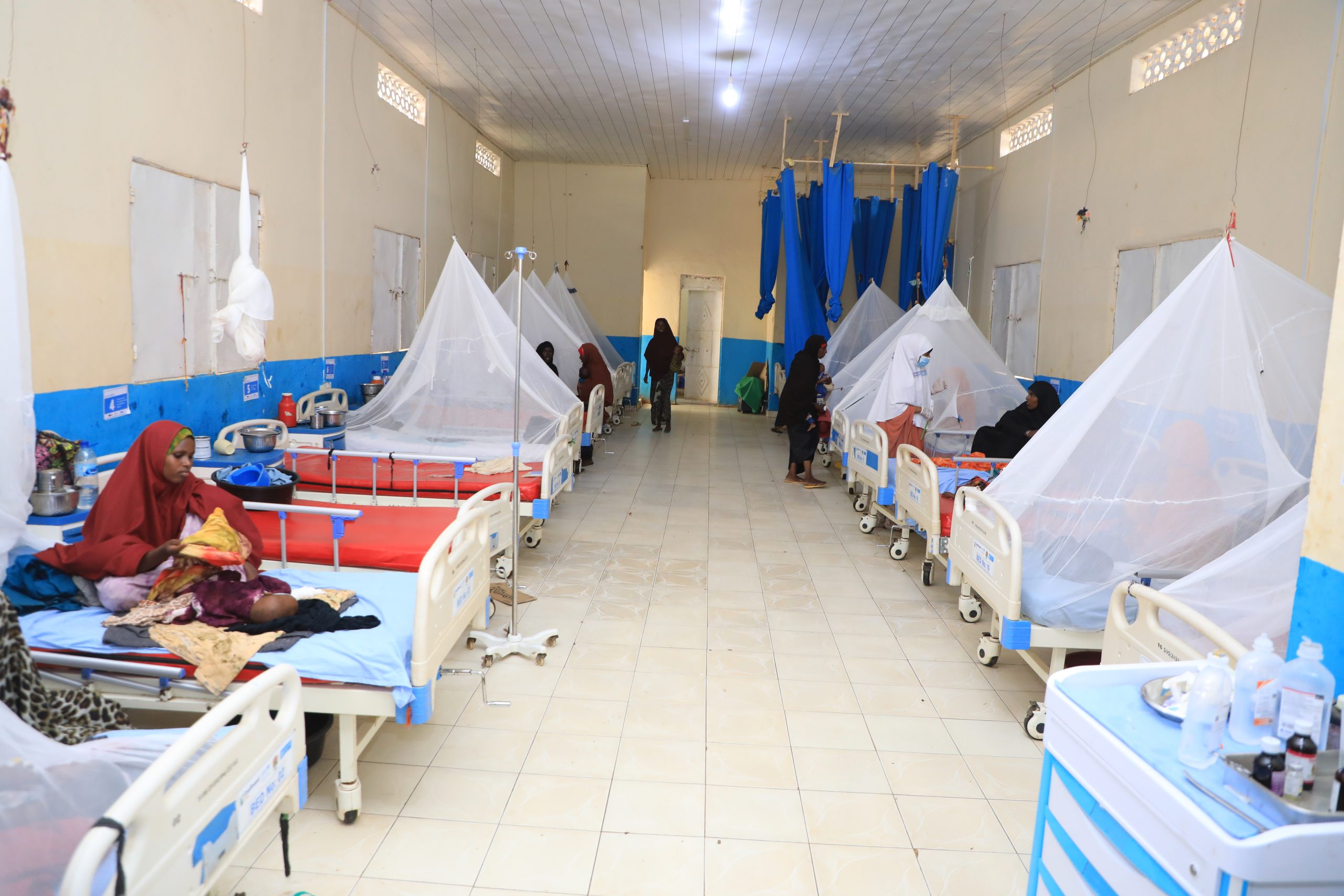
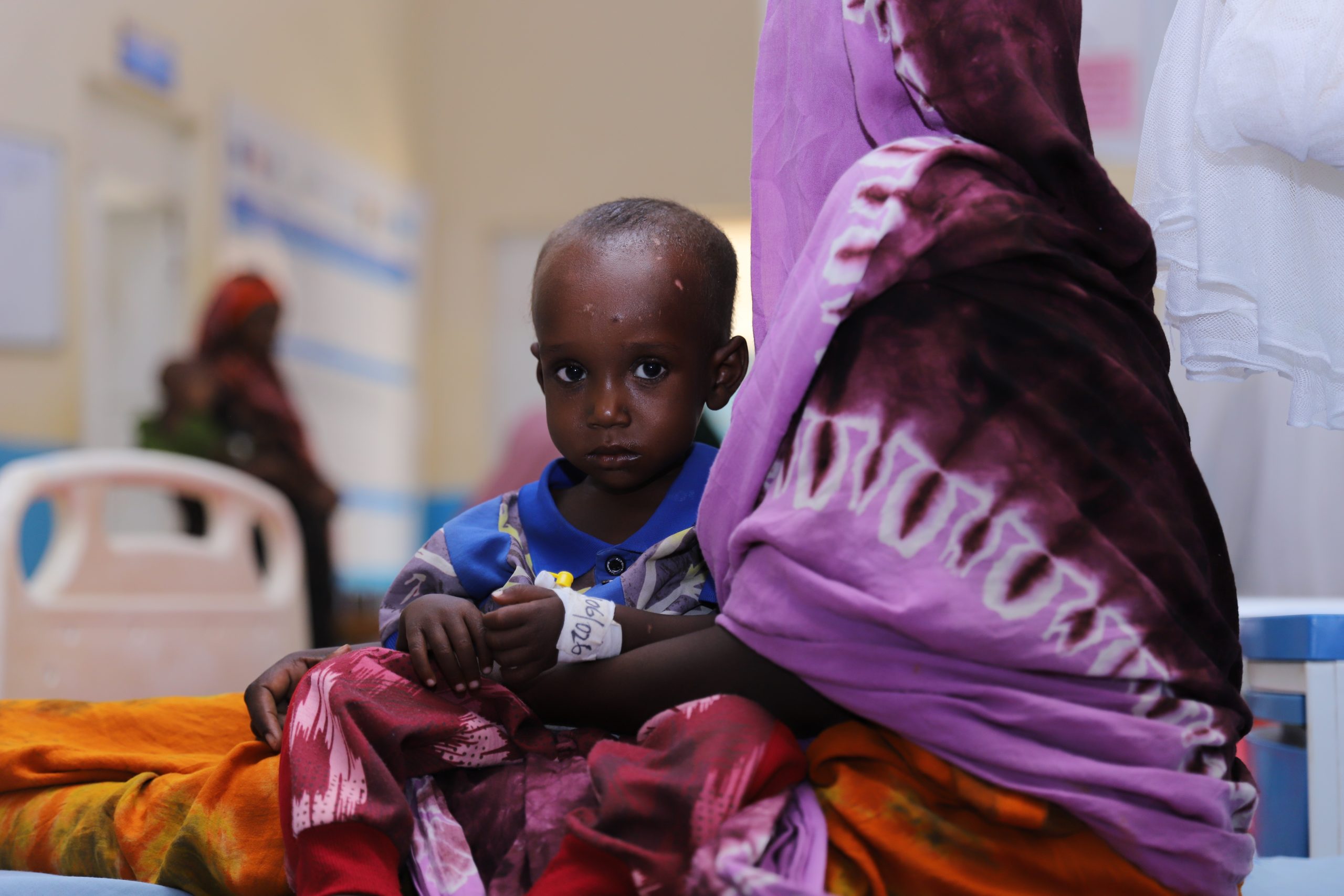
The health team moved fast. Within minutes he was in the emergency room, then transferred to the Stabilization Centre, the ward reserved for children with the most severe malnutrition. Salim weighed 6.7 kilograms. His mid-upper arm circumference measured 10.4 centimetres. He was, by every measure, at the edge.
“By the time they arrived, the child was unconscious,” says Sadia, a nutrition nurse on duty that day. “If he had been delayed by a few more hours, we would have lost him.”
For seven days, Fadumo did not leave. She sat beside Salim while the team administered therapeutic milk, treated infections, and brought him back slowly. The Stabilization Centre had recently doubled its capacity to 40 beds, and still, some children slept on mattresses on the floor. In May alone, 171 children were treated there, more than double any previous month. Fadumo was not watching the numbers. She was watching her son.
On the seventh day, her body made a decision she wasn’t ready for.
Labour came without warning, sudden, urgent, unmistakable. Staff wheeled her from the ward where Salim lay sleeping to the maternity unit. Four hours later, she delivered a boy. He weighed 1.3 kilograms.
A nurse placed him under the light. His chest rose and fell in shallow, rapid breaths. The team worked quietly around him , checking his blood sugar, his temperature, his pulse, while Fadumo watched from the bed, unable to hold him yet.
“I didn’t notice any signs of labour. It happened so quickly,” she says. “I am happy it happened here. In my village, a baby born this small , they usually die within a few hours.”
At that same moment, Salim unaware was being checked by nurses in the ward next door.
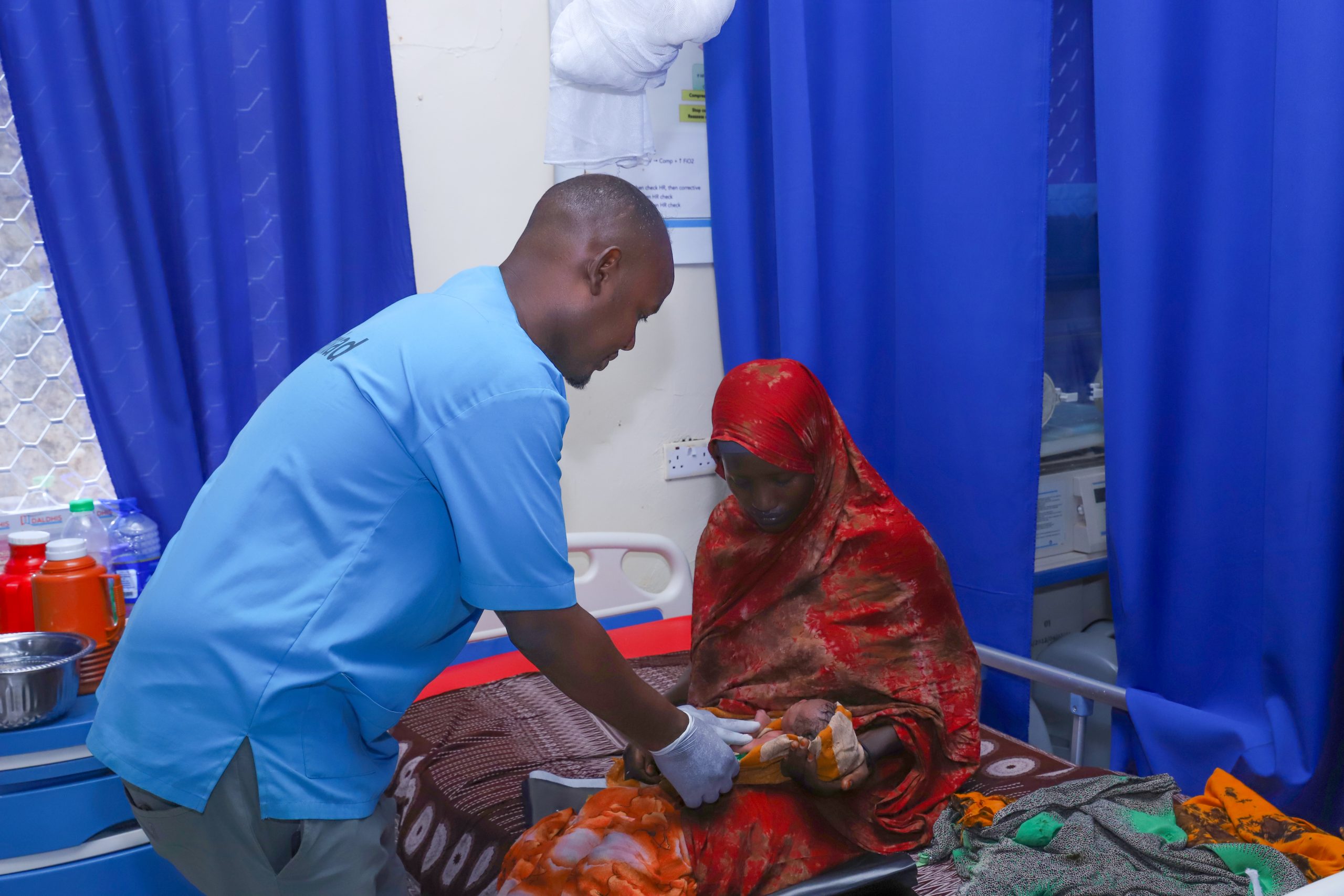
In the days that followed, both boys began to grow. Salim started feeding, then sleeping, then one morning he was simply awake alert, looking around with the mild curiosity of a child who has no idea how close it came. His brother, small but stubborn, held on.
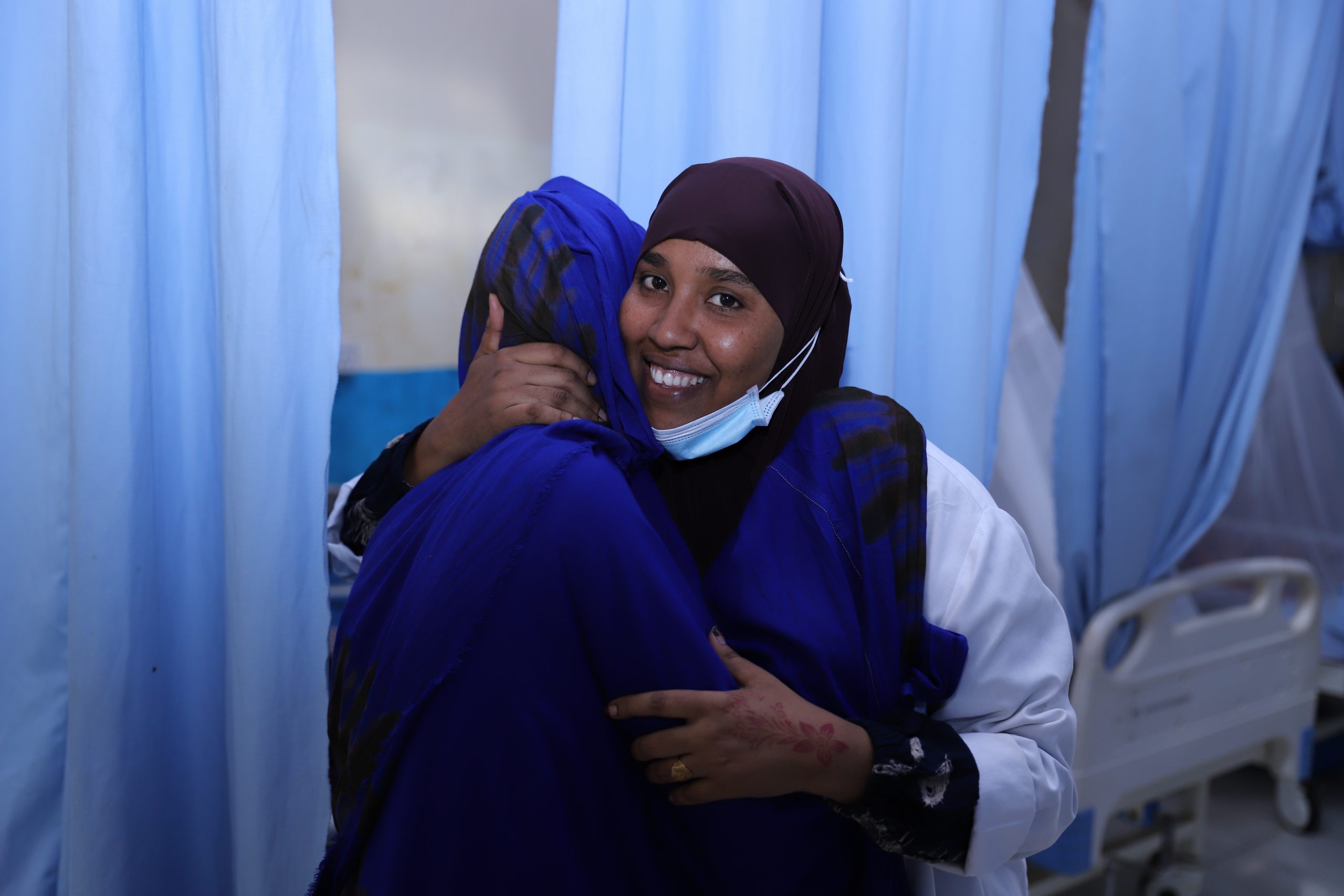
When the nurses told Fadumo it was time to go home, she moved through the ward slowly past the doctors, the nurses, the cleaners, the watchmen at the gate and held each of them.
“From the watchmen to the cleaners and nurses,” she said, “you saved my family.”
She had arrived carrying a dying child, eight months along. She left with two sons.
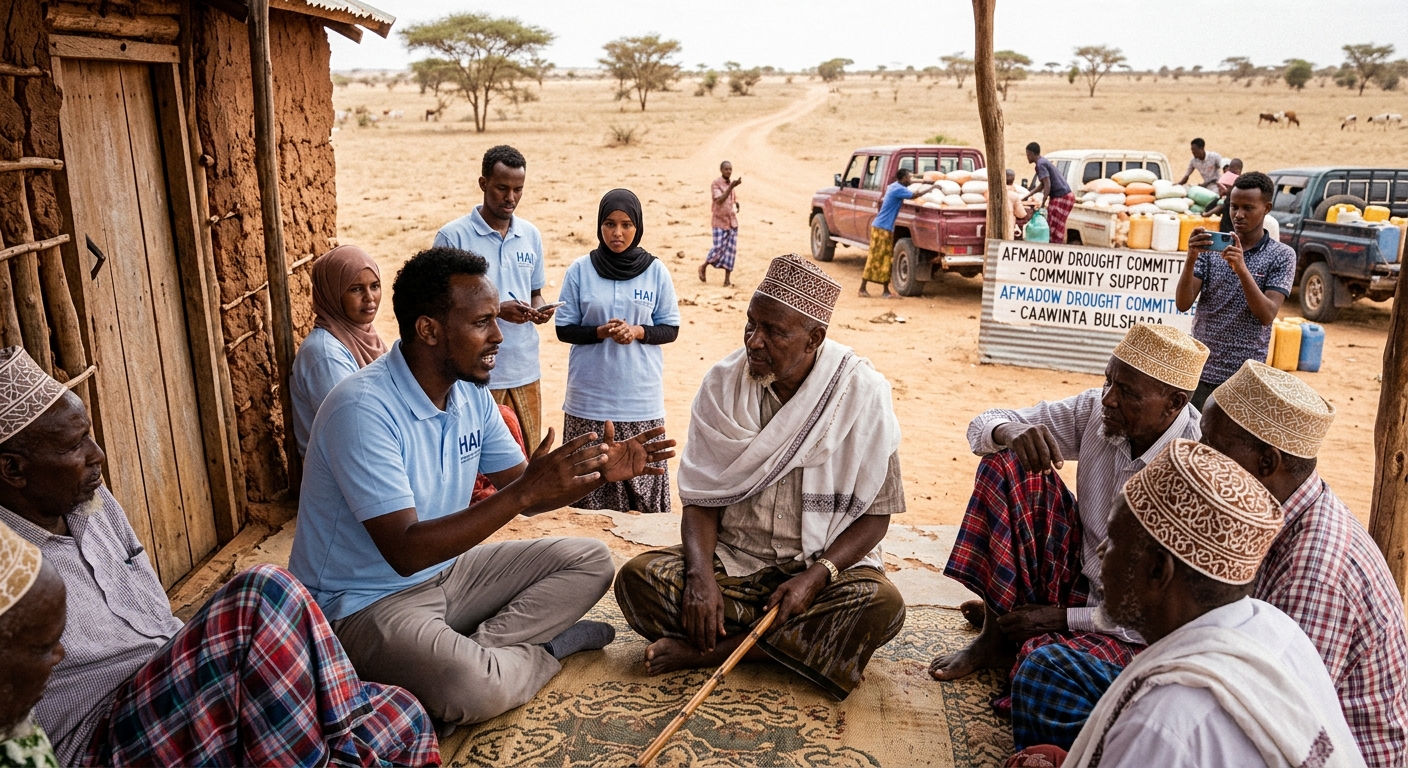
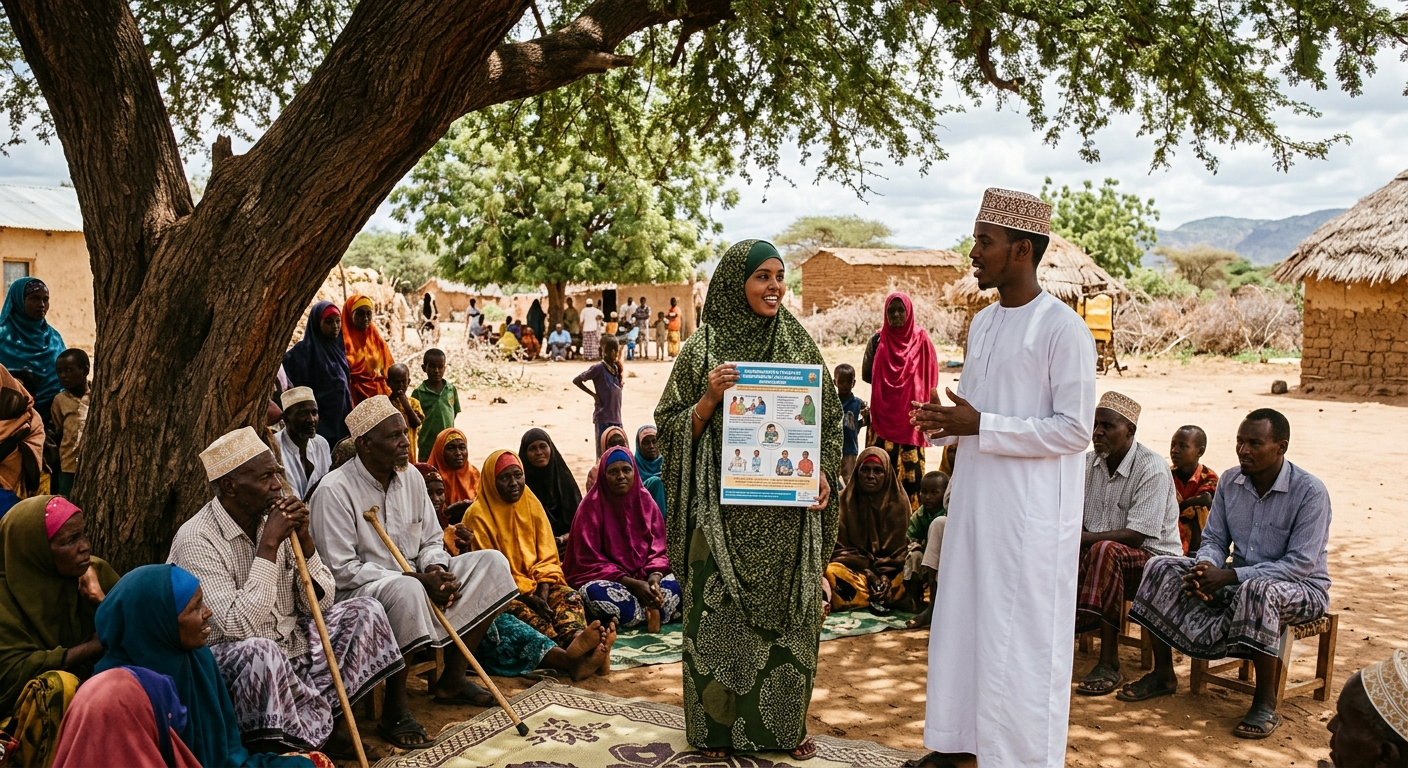
In Somalia today, more than 500 health facilities have closed, with hundreds more at risk. For families like Fadumo’s hours from the nearest clinic, with no transport and no margin for delay a single functioning hospital is not a service. It is the whole story.
Fadumo’s story happened to have a good ending. Many do not.
*Funded by the European Union. Views and opinions expressed are however those of the author(s) only and do not necessarily reflect those of the European Union. Neither the European Union nor the granting authority can be held responsible for them.